Industry
Kewell Power: Battery and Power-Electronics Test Systems
Hefei Kewell makes battery charge-discharge testers, power supplies and battery simulators. Where it fits, and why a simulator helps test a BMS or charger.
Read article4 min read
26 articles on industry.
Hefei Kewell makes battery charge-discharge testers, power supplies and battery simulators. Where it fits, and why a simulator helps test a BMS or charger.
Guangzhou Kinte makes power and test equipment for battery makers and the power sector. What is known about it, what is not, and what to ask.
Zhejiang HangKe builds formation, ageing and grading systems for cell factories. What post-processing is, and why it matters to pack makers.
Wuxi Lead Intelligent supplies whole lithium cell factories, from mixing to formation and testing. What it makes, who buys it, and why it matters to India.
Fujian Nebula’s end-of-line pack testers, BMS testers and service tools: what an end-of-line test checks, and what a smaller pack maker can buy.
Tmax supplies nearly every machine for a battery lab or small cell and pack line. Where a one-stop supplier helps, and where it falls short.
EnerKey’s BMS boards, active balancers and bench equalizers: what each does, which suits a service workshop, and the limits of balancing.
Sunkko’s handheld, benchtop and pneumatic spot welders: which suits which nickel strip, their limits, and how to avoid buying a copy.
LAND’s compact CT3002A cell testers are a fixture in battery research labs. What they measure, their limits, and where they fit for a pack maker.
Neware’s cell and pack cyclers, regenerative testers and chambers: what each does, where they fit in a pack plant, and what to check before buying one.
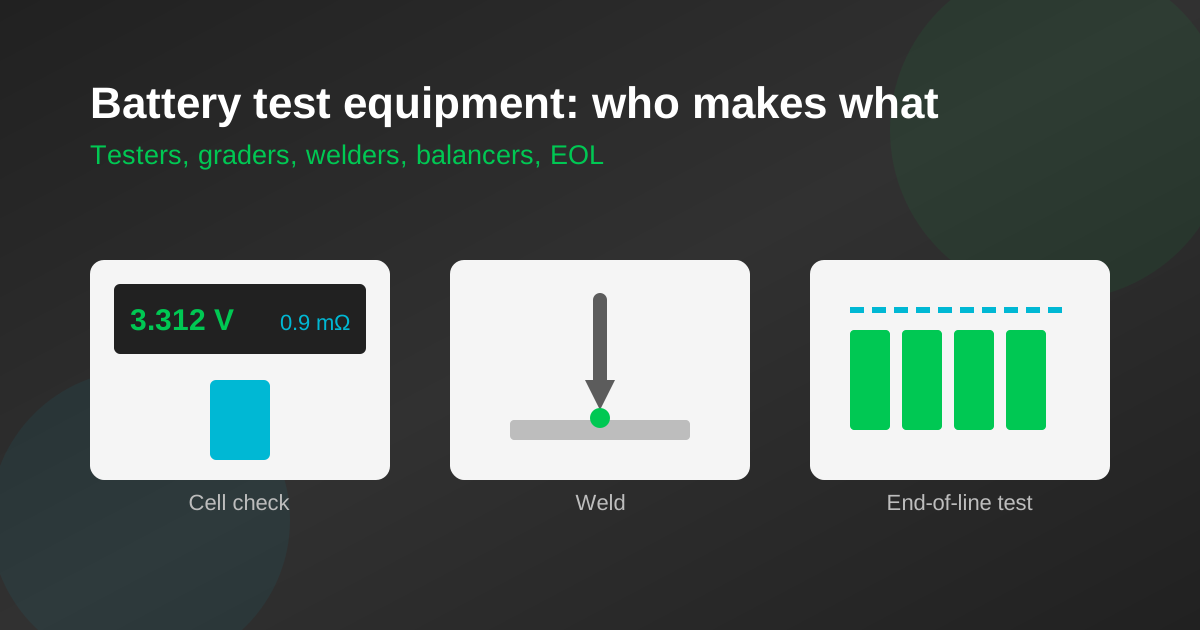
Eleven Chinese makers of cell testers, graders, spot welders, balancers and end-of-line pack testers, grouped by plant size, and what an Indian pack maker should check before buying.
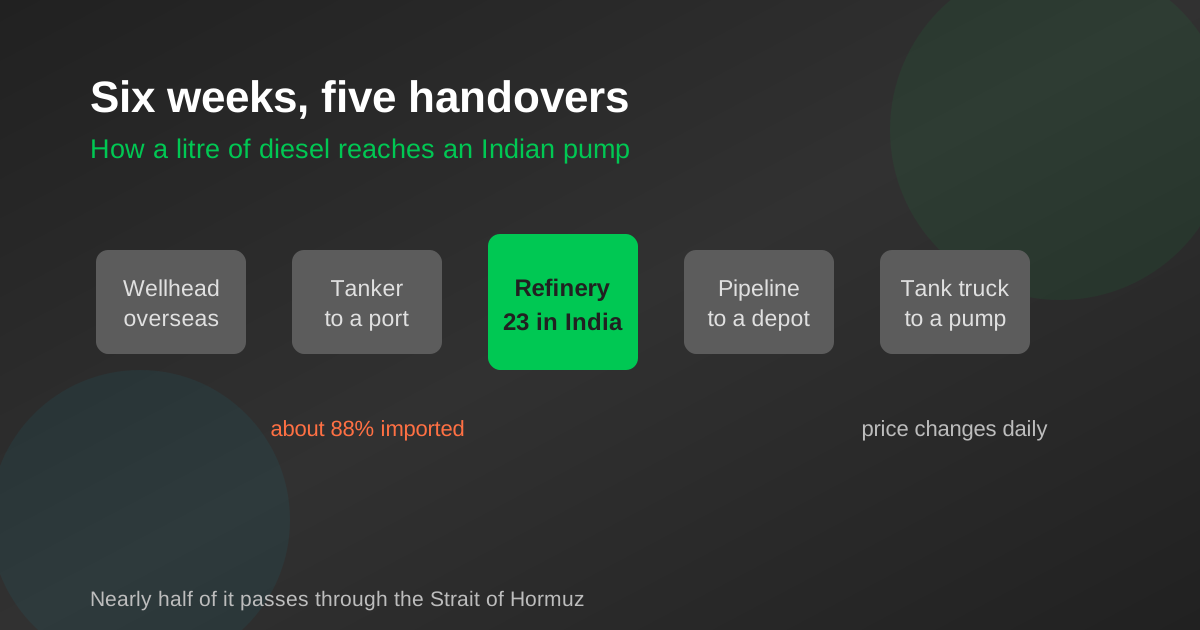
Six weeks and five handovers, from a wellhead someone else owns to an underground tank in your town. A walk through India’s fuel supply chain — and the four weaknesses that are structural rather than anyone’s fault.
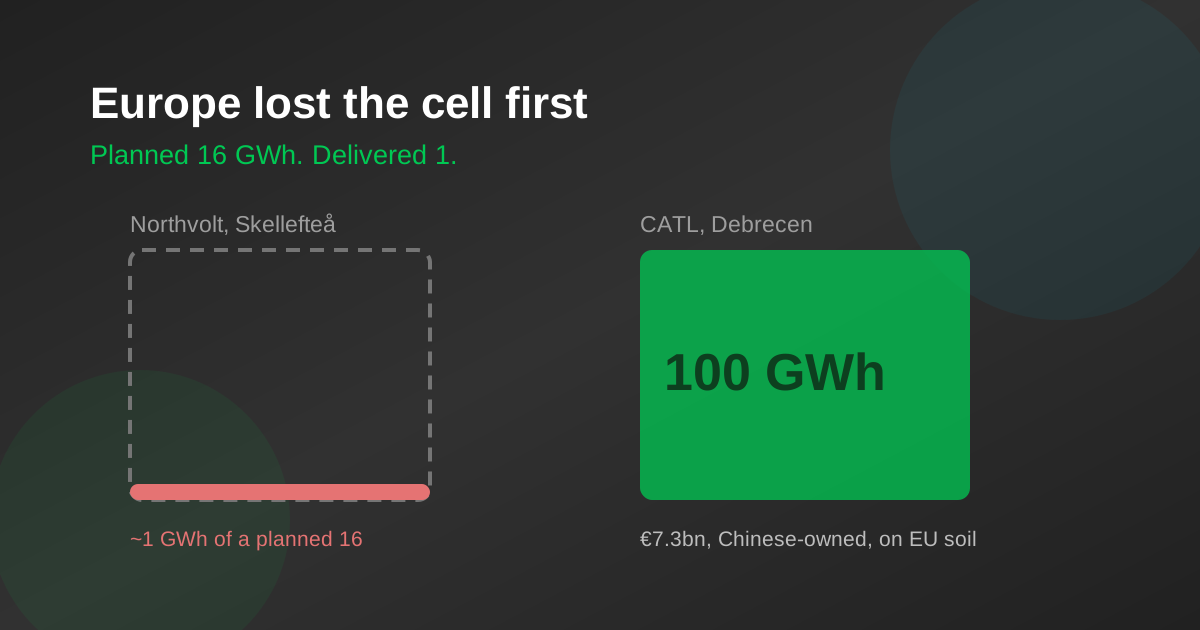
Northvolt reached about 1 GWh of a planned 16 and went bankrupt, ACC halted two gigafactories, and the continent’s largest cell plant will be CATL’s in Hungary. Why cell manufacturing defeated well-funded newcomers — and what India should take from it.
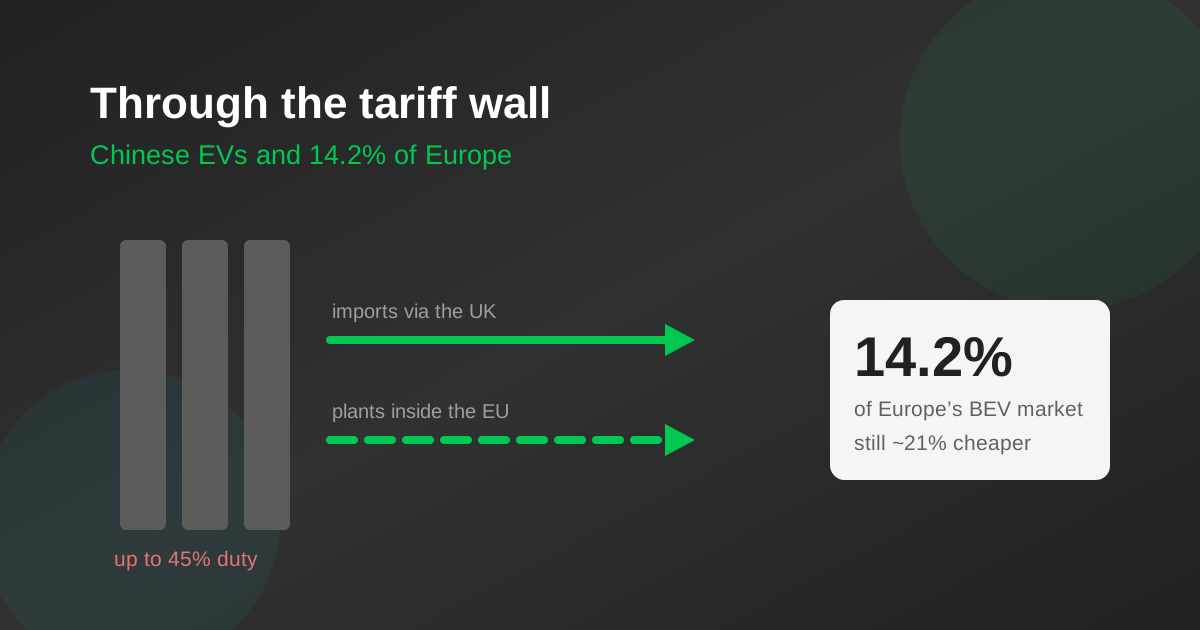
The EU imposed duties taking the burden to around 45 per cent, and Chinese brands took a record share of Europe’s battery-electric market anyway. Four routes around the wall, and why the real contest is the price of a small electric car.
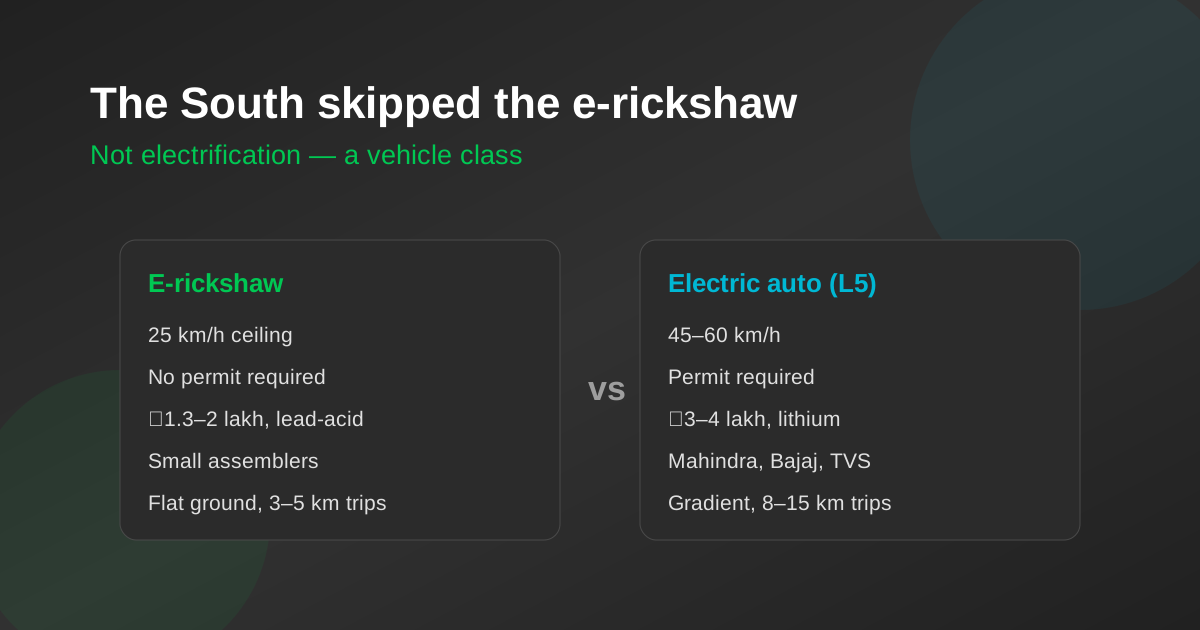
India sold a record 830,000 electric three-wheelers in FY2026, led by Mahindra, Bajaj and TVS — organised firms selling into the South and West. The dividing line is the vehicle category, not the powertrain, and the two are now converging.
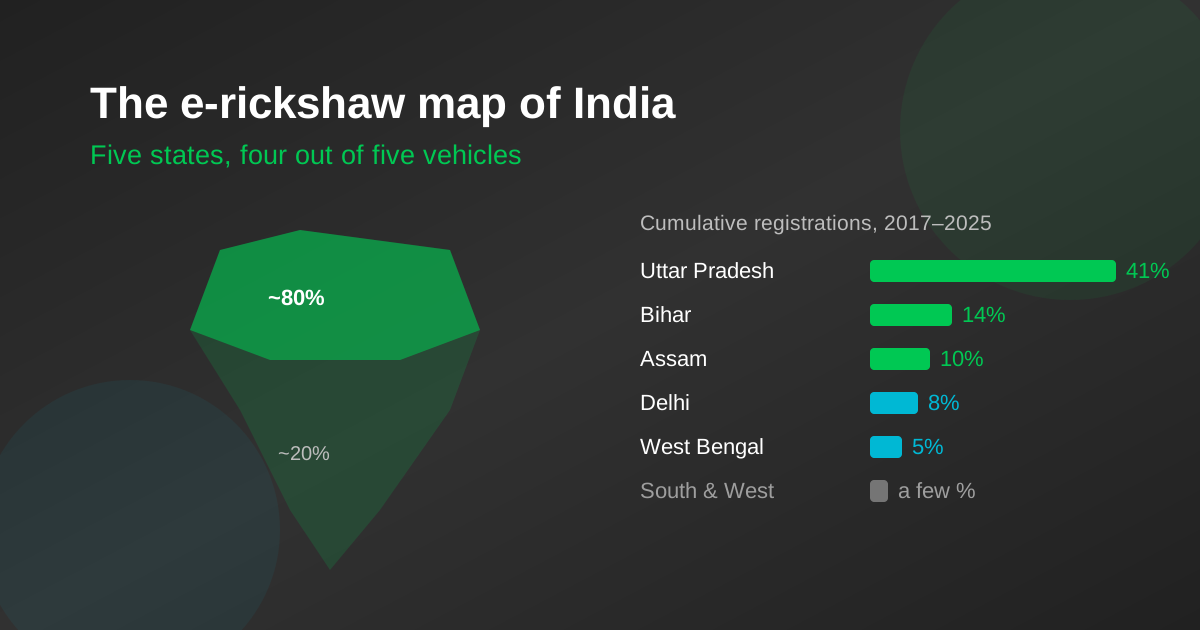
Five states hold roughly four out of every five e-rickshaws in India. The reasons are terrain, trip length, the vehicle it replaced, the permit rule and the credit market — not enthusiasm for electric vehicles, which the South has more of.
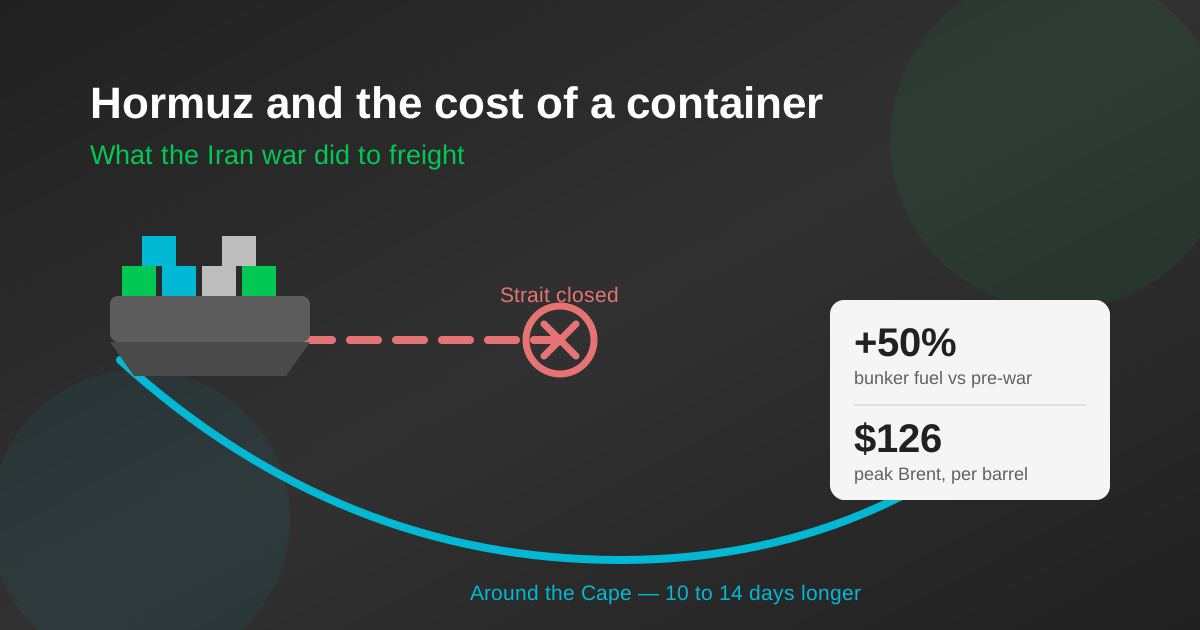
Freight rates repriced on lanes nowhere near the Gulf, and contract rates followed spot. A look at the three mechanisms behind it, India’s unusually direct exposure, and an honest calculation of how much of it actually lands on a battery pack.
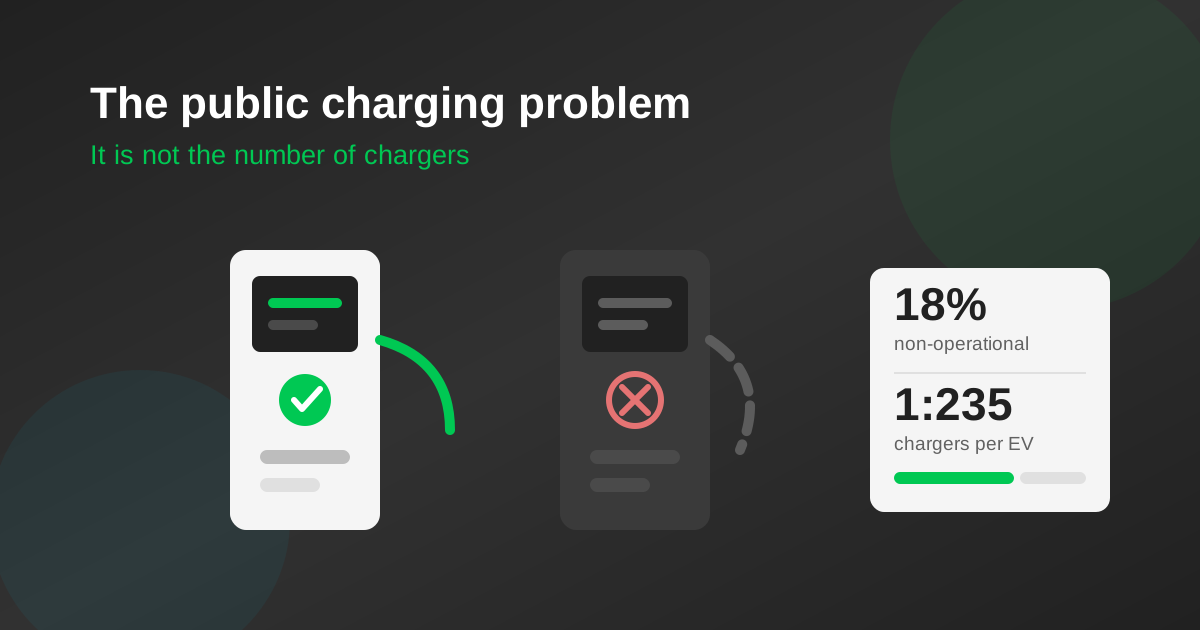
The count went from 5,000 stations to over 29,000 and drivers trust the network less than before. What actually breaks — grid connections, connector standards, twenty separate apps — and why two- and three-wheelers barely notice.
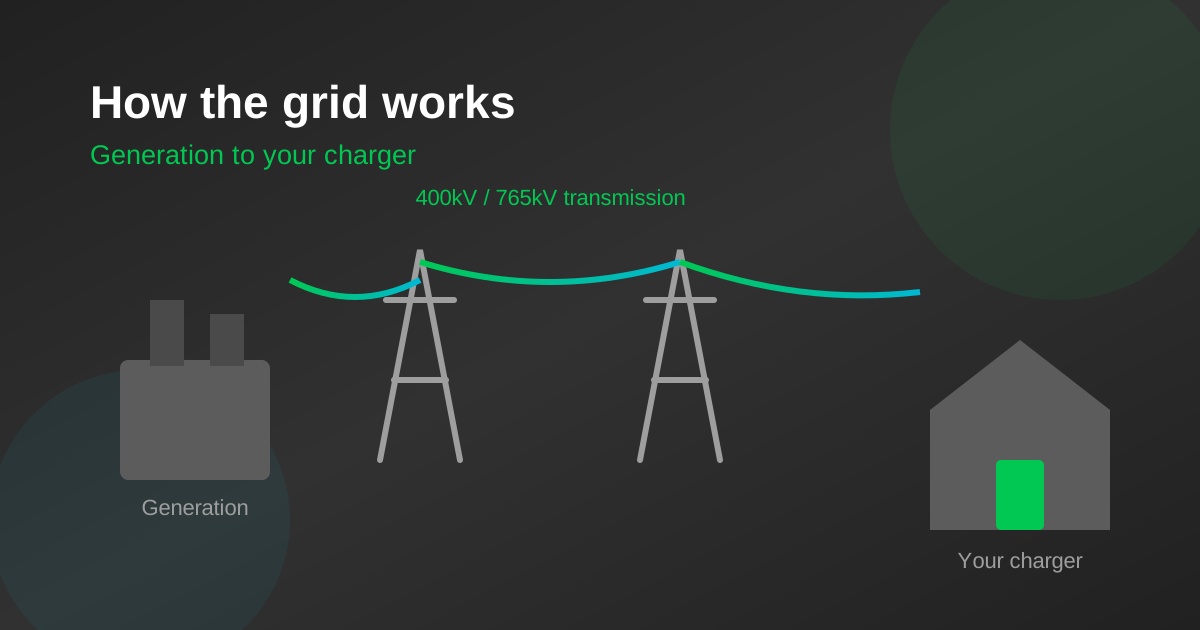
Electricity is the only commodity that must be produced the instant it is consumed. A comprehensive walk through generation, transmission, substations, distribution, grid frequency, and why renewables made storage essential.
Electric cars get most of the coverage and the smallest share of registrations. Who builds what, why adoption is constrained differently here, and why the pack still decides the ownership experience.
The most electrified vehicle category in India is really three different businesses. What separates e-rickshaws, organised passenger autos and cargo three-wheelers — and what each demands from the battery.
Legacy manufacturers, EV-native startups and the unbranded value segment compete on completely different things. What separates them, and why most of the real difference is decided by the battery pack.
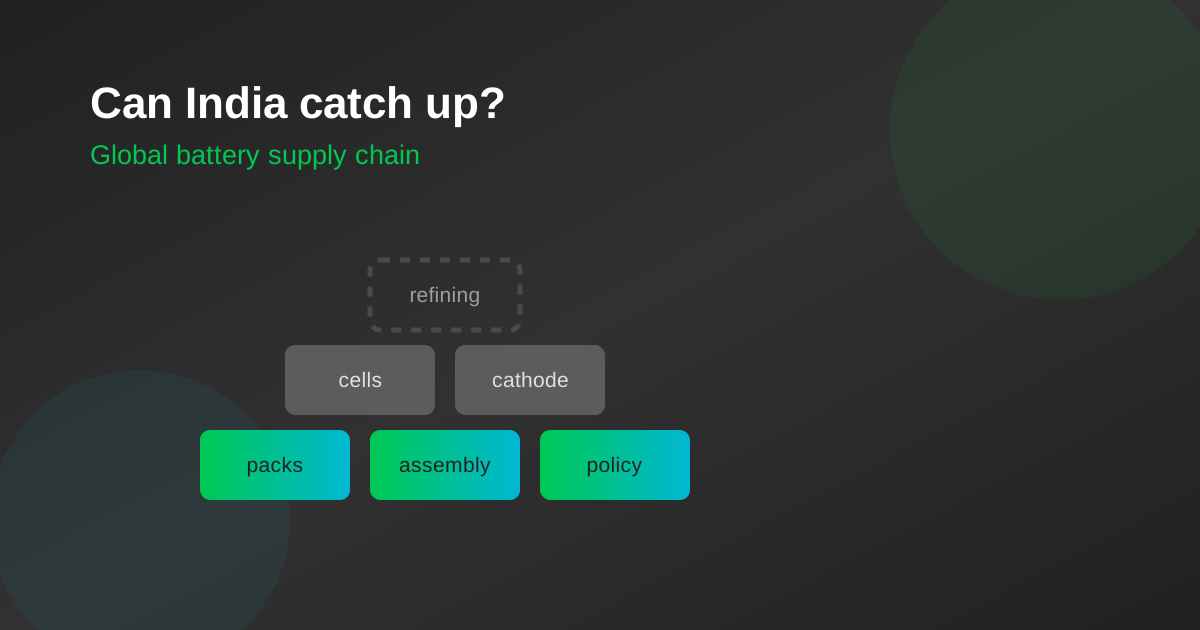
India assembles many packs and makes few cells. An honest assessment of what is already strong, what is missing in order of difficulty, and what genuinely favours India.
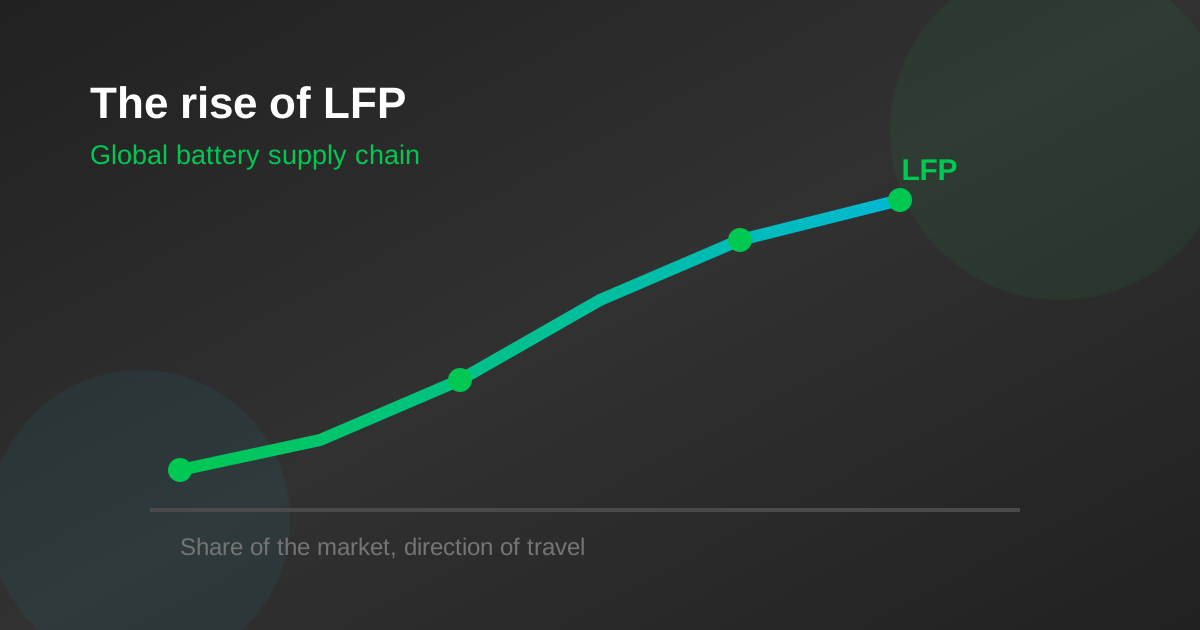
The industry agreed that energy density was the metric that mattered. One set of manufacturers optimised something else entirely, then re-engineered packs until the original metric mattered less.
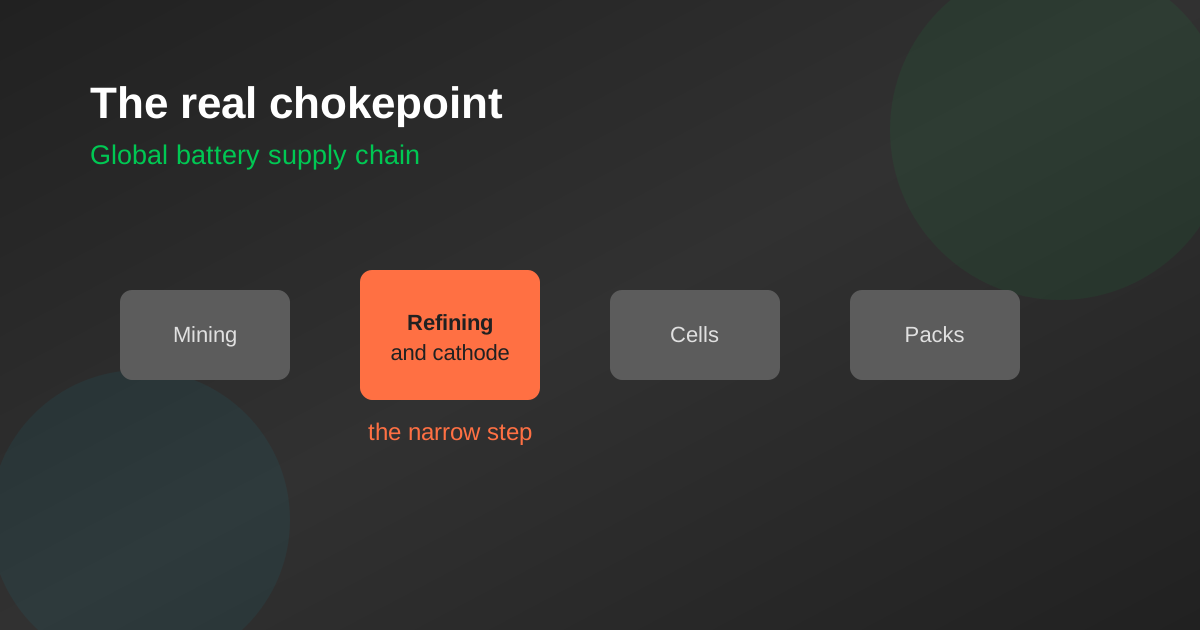
Mining is globally distributed and gigafactories can be built in three years. The step between them is concentrated far more heavily than either, and it is where the leverage actually sits.
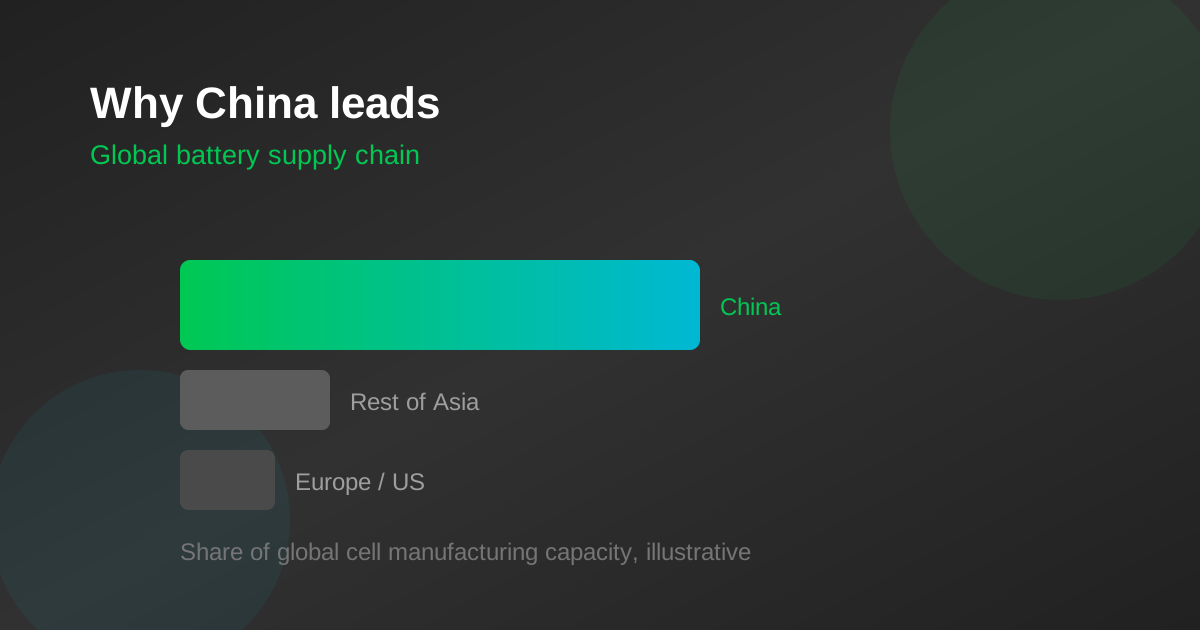
It is not cheap labour — cell production is highly automated. Six structural advantages built over two decades explain the position, and understanding them changes how you buy batteries.