Buying a Used or Refurbished Lithium Battery: What to Check
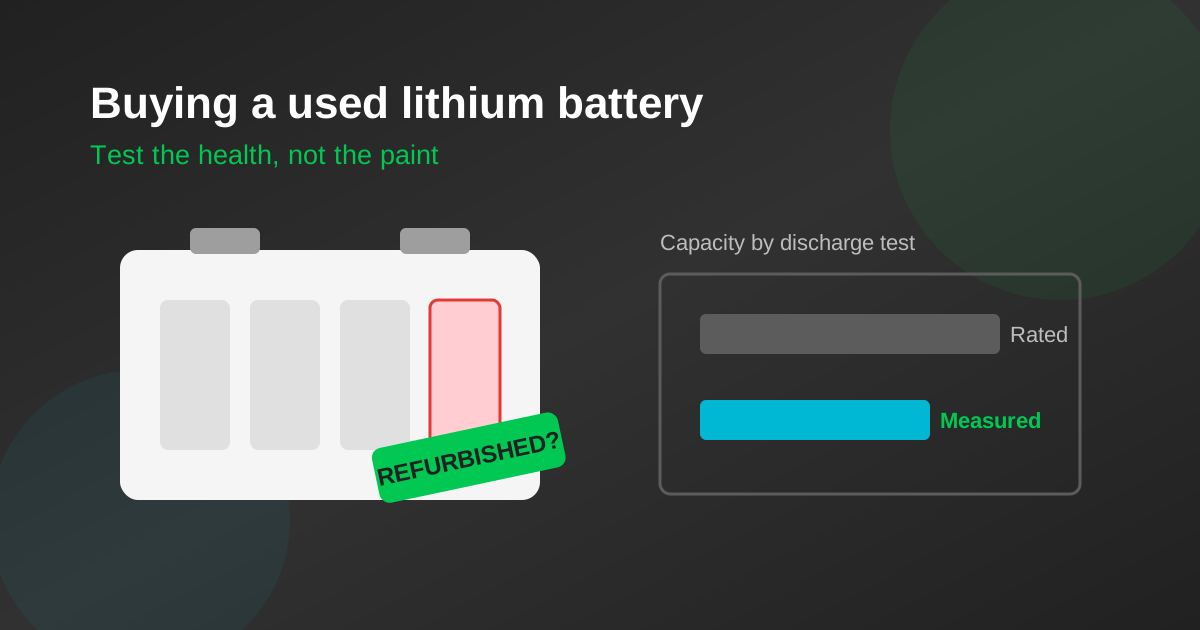
“Refurbished” can mean a graded rebuild or a coat of paint. How to check a second-hand pack’s state of health, spot damage, read the paperwork and judge whether the price is fair.
Page 2 of 9.
Showing 12 of 97 articles · page 2 of 9
“Refurbished” can mean a graded rebuild or a coat of paint. How to check a second-hand pack’s state of health, spot damage, read the paperwork and judge whether the price is fair.
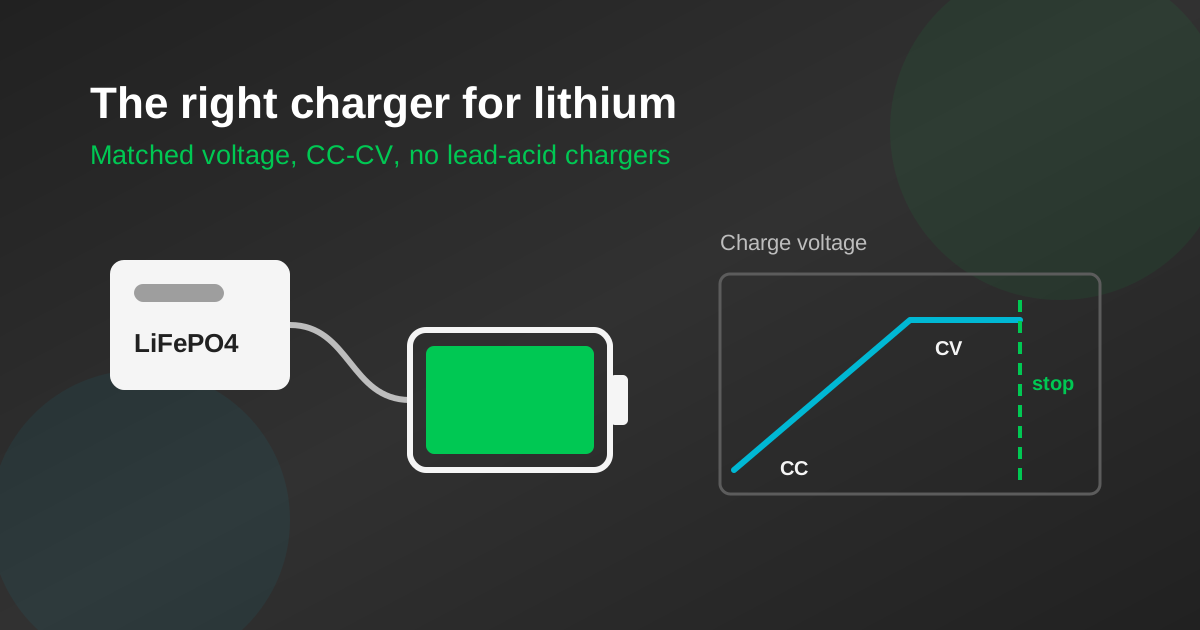
A lithium pack is only as safe as the charger it meets every night. Why a lead-acid charger must not be used, what a matched charger means, how cheap copies and loose plugs cause damage, and the signs a charger is failing.
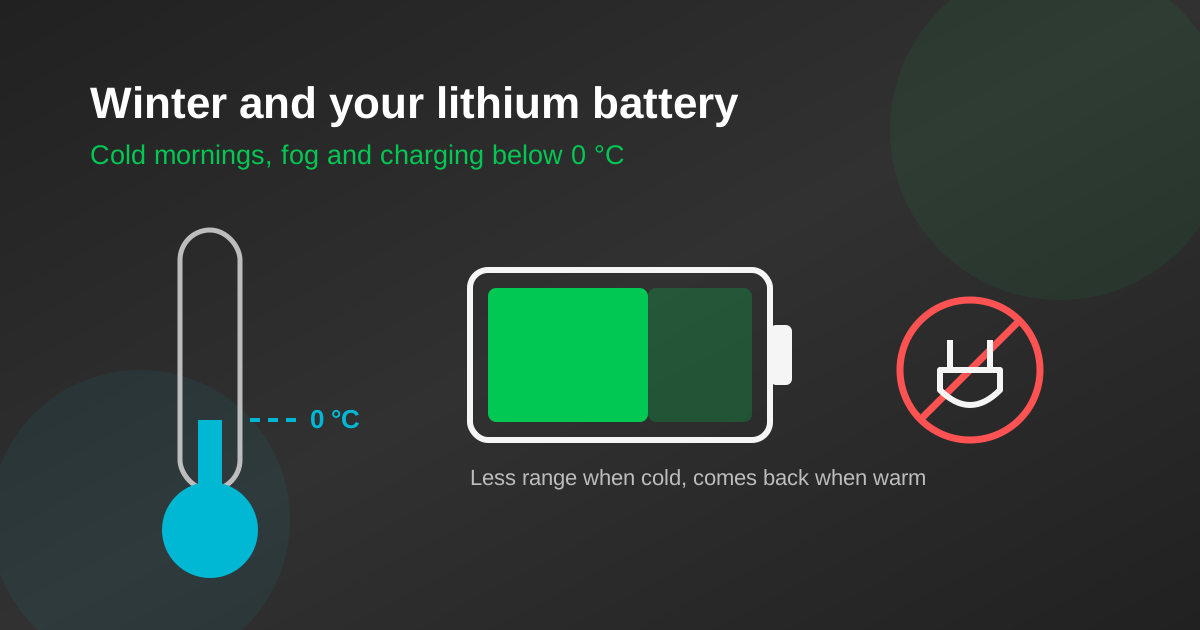
Cold North Indian mornings cut lithium range for a while, and charging a frozen pack can damage it for good. Why it happens, how to park and charge in December and January, and how to tell cold from a fault.
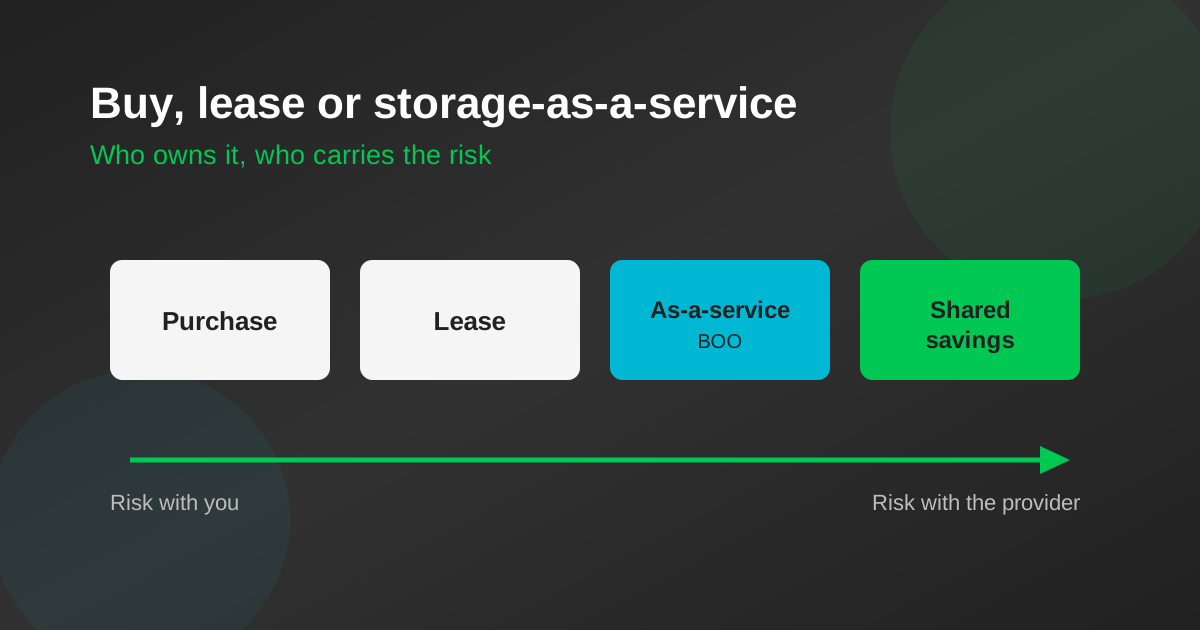
Outright purchase, leasing, build-own-operate and shared-savings contracts compared: who owns the battery, who carries the performance risk, which contract terms matter, and what happens at the end.
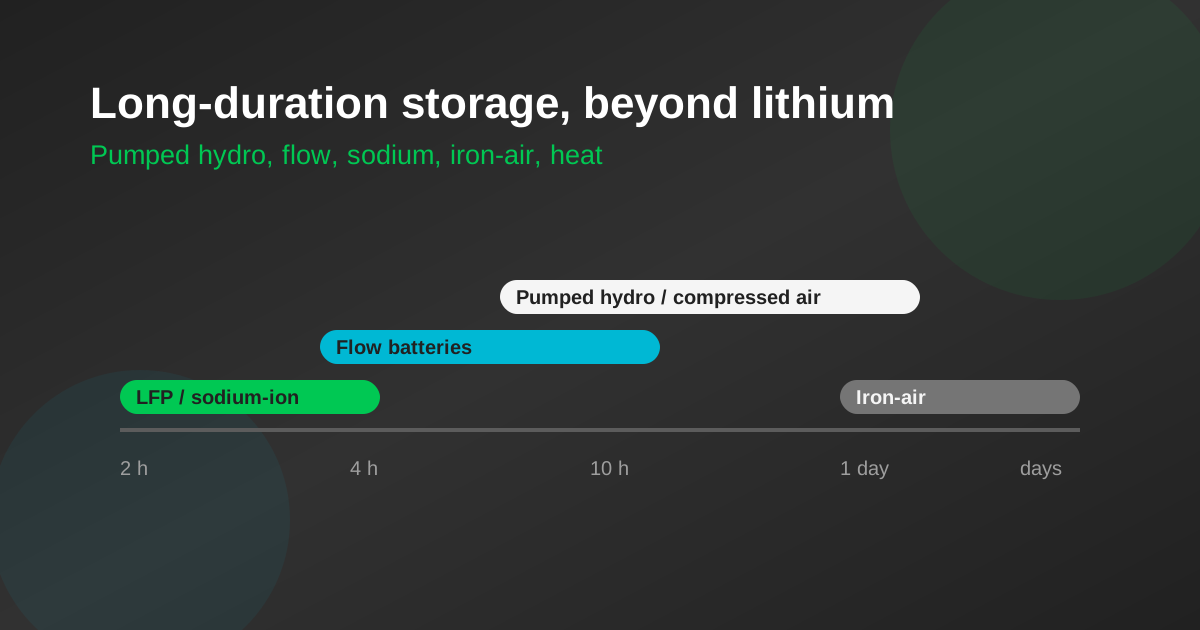
Pumped hydro, flow batteries, sodium-ion, iron-air, compressed air and thermal storage compared on duration, efficiency and maturity, and where each fits against two-to-four-hour LFP.
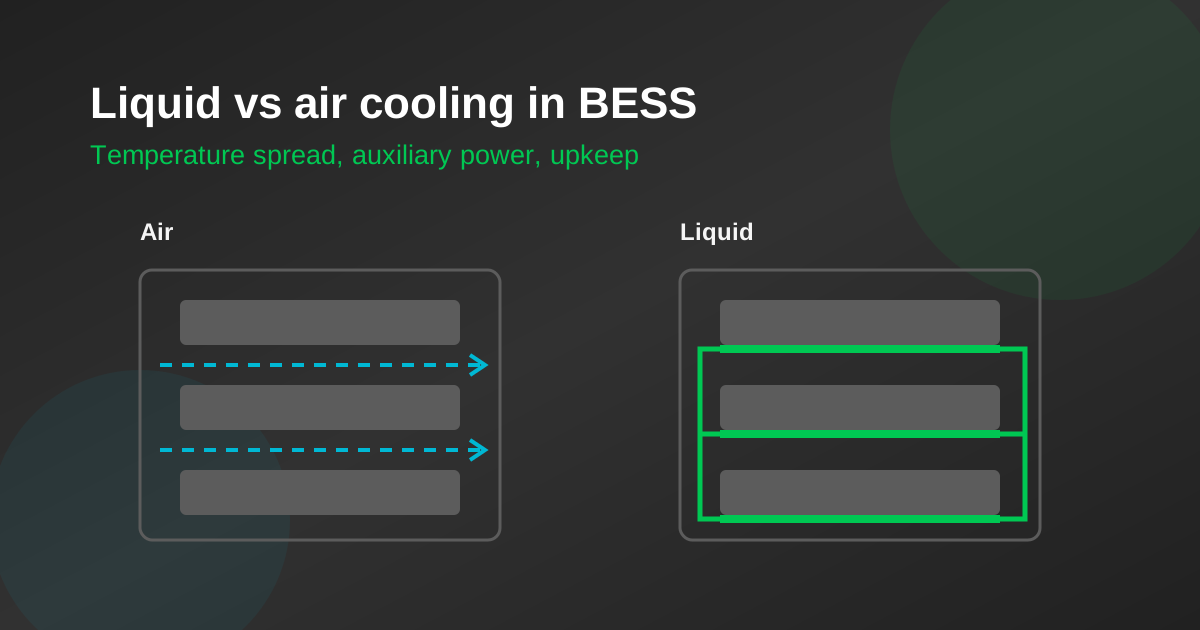
Cooling decides how evenly a battery ages, how much power it uses on itself, and how it copes with Indian heat and dust. How air and liquid cooling compare, and when each makes sense.
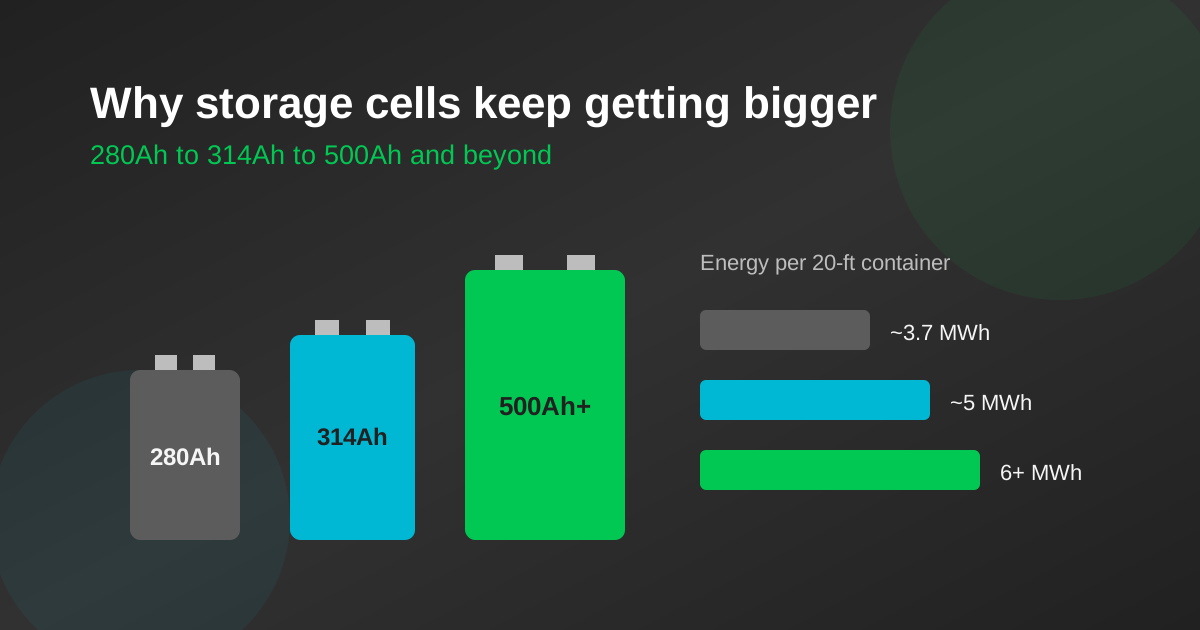
LFP storage cells have grown from 280Ah to 314Ah to 500Ah and beyond. Why bigger cells make cheaper, denser systems, what they give up, and what to ask when quotes use different cells.
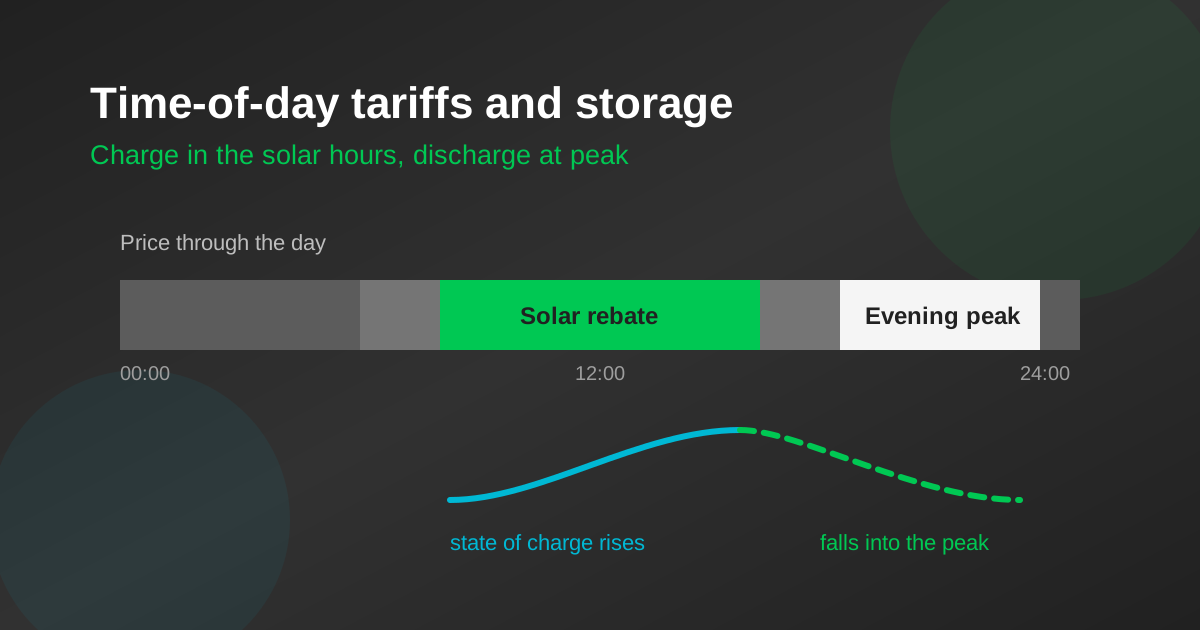
Solar has turned the cheap hours from night to midday. How ToD tariffs work for commercial and industrial consumers, how a battery shifts energy into the evening peak, and how to read your own bill.
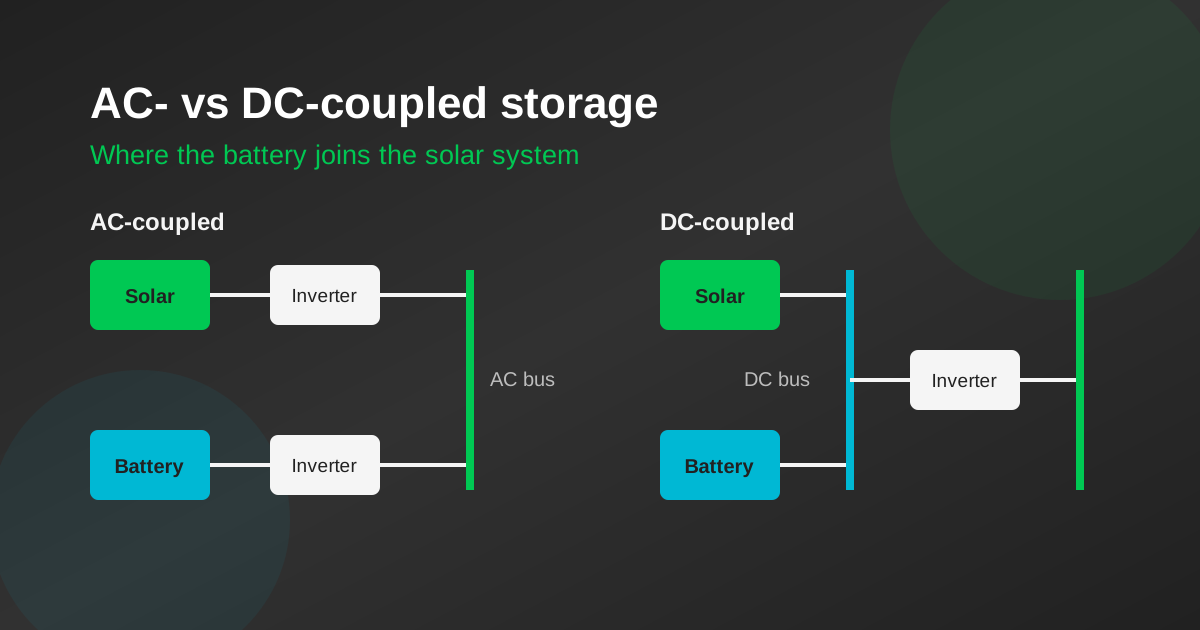
Whether a battery joins a solar system on the AC side or the DC side shapes its efficiency, its ability to capture clipped solar, and how easily it can be added later.
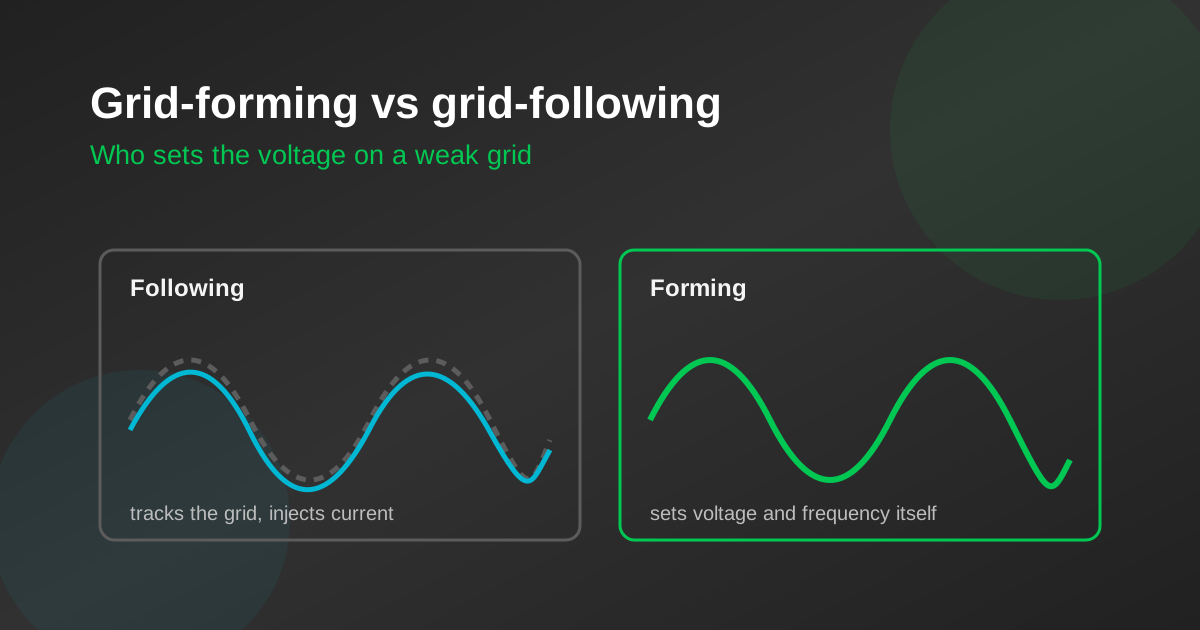
Most inverters follow the grid. Grid-forming inverters set its voltage and frequency themselves, which is why batteries are becoming the stabilising anchor of renewable-heavy networks.
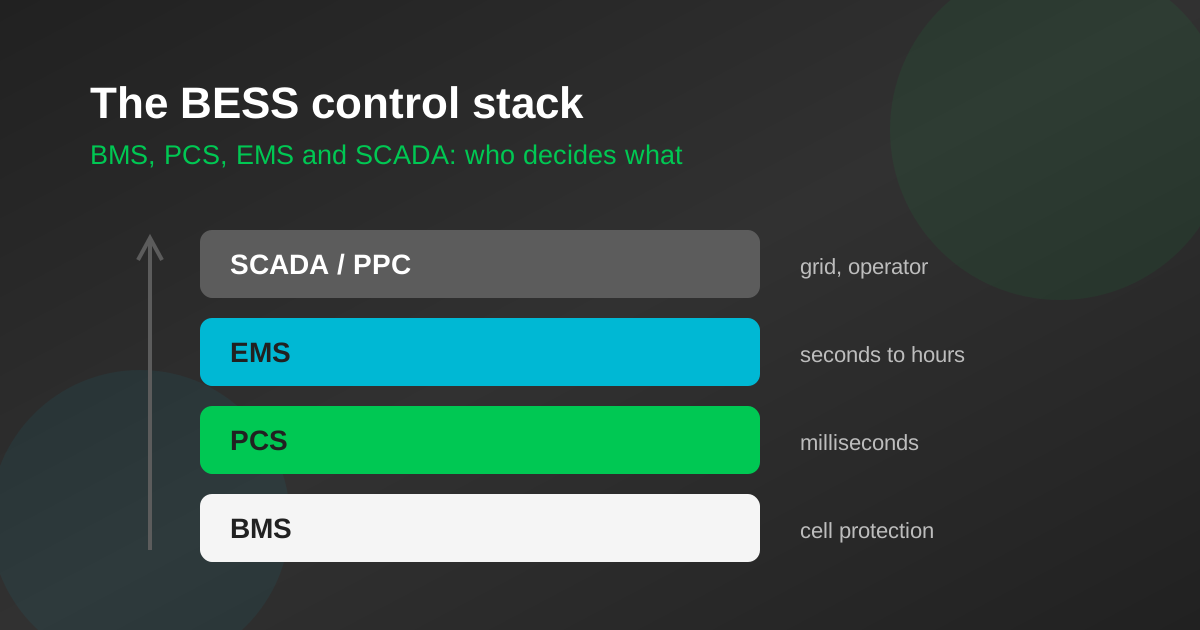
Four control layers run a battery storage system, each on its own timescale. The BMS protects the cells, the PCS moves the power, and the EMS decides what the system earns.
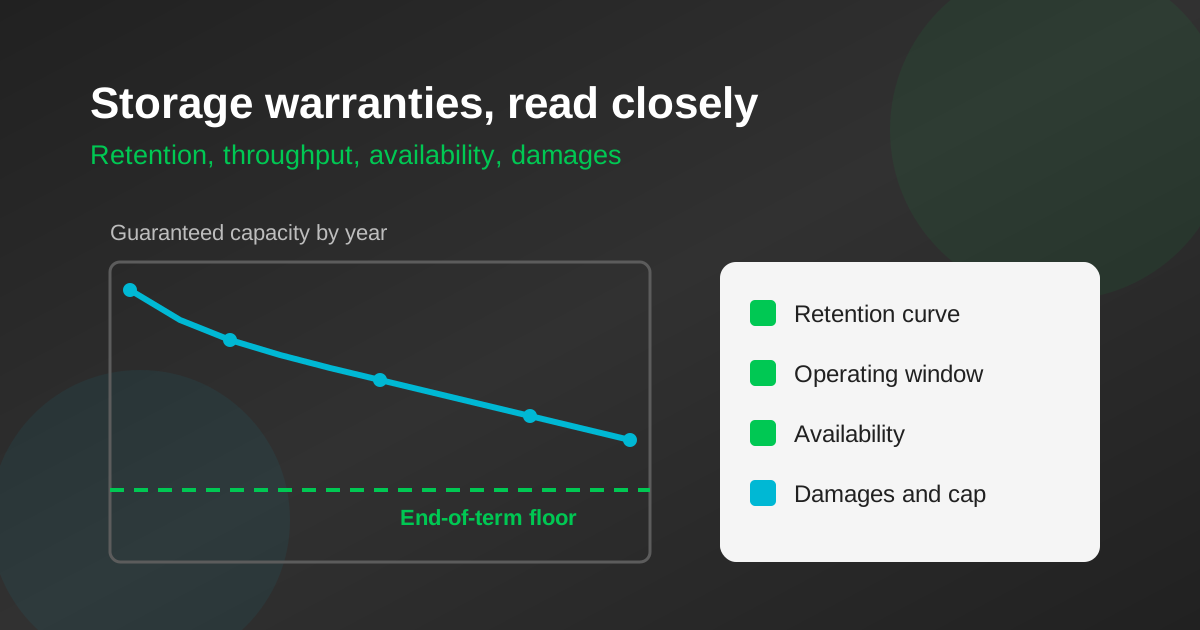
A storage warranty is closer to a service contract than a product guarantee. Retention curves, throughput caps, availability, liquidated damages and operating limits decide what it is worth.