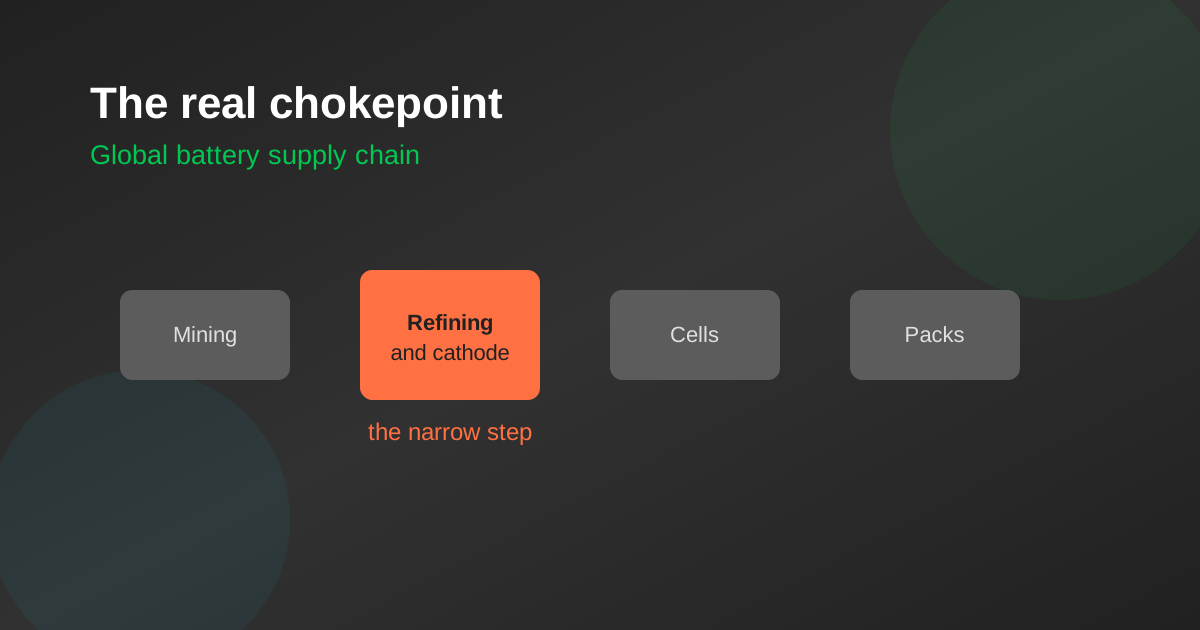
The Real Battery Chokepoint Is Not Cells — It Is Refining
Mining is globally distributed and gigafactories can be built in three years. The step between them is concentrated far more heavily than either, and it is where the leverage actually sits.
Page 6 of 9.
Showing 12 of 97 articles · page 6 of 9
Mining is globally distributed and gigafactories can be built in three years. The step between them is concentrated far more heavily than either, and it is where the leverage actually sits.
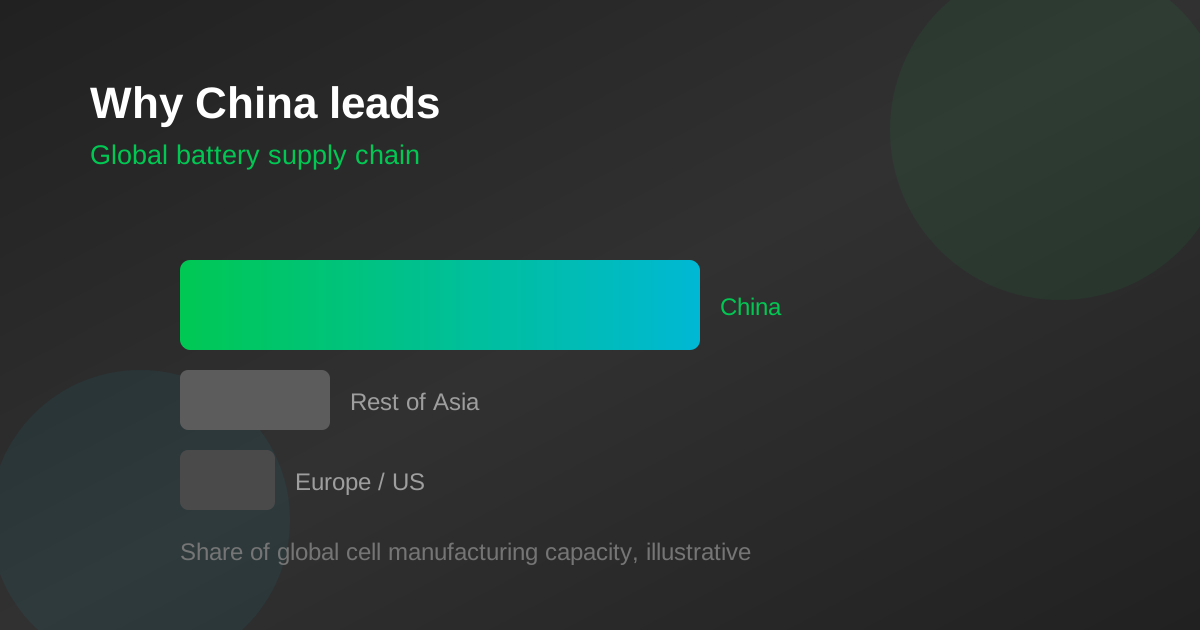
It is not cheap labour — cell production is highly automated. Six structural advantages built over two decades explain the position, and understanding them changes how you buy batteries.
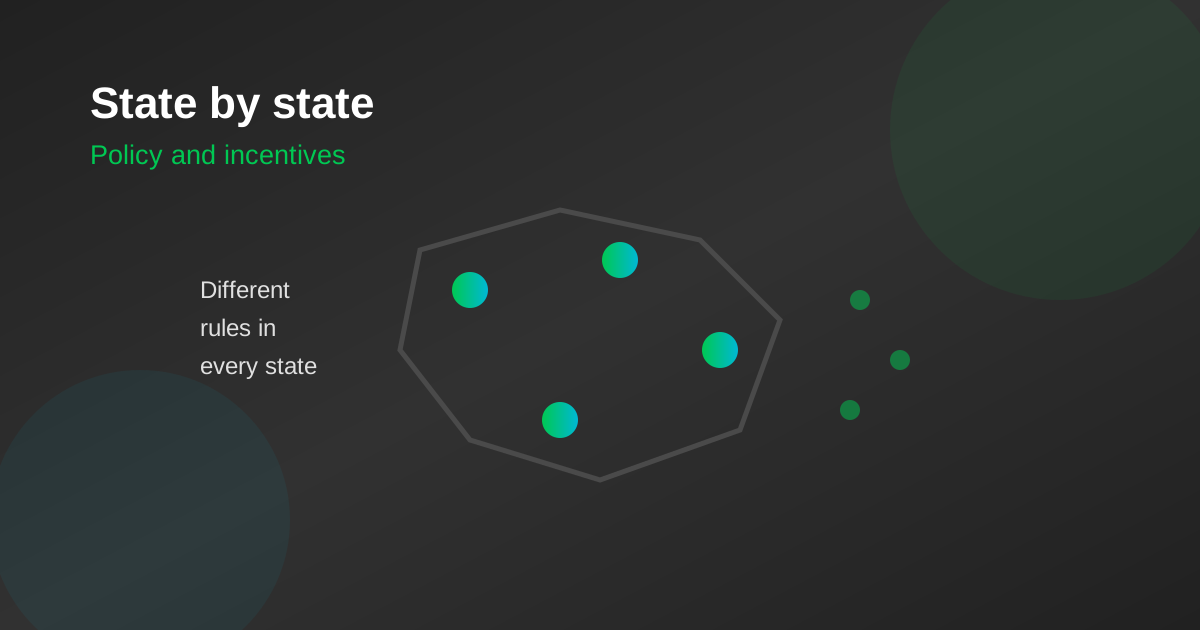
The state layer is often worth more than the central one and is the most commonly missed. What every state policy contains, the four questions that decide whether it is real, and where to find the binding version.
Battery lending is neither vehicle finance nor unsecured consumer credit. Priority sector treatment, digital lending obligations, an unusual collateral profile and thin-file borrowers — the four things that make it its own product.
Central incentive, state benefits and tax treatment are three different things, and the quiet one is usually worth the most. What applies, what does not, and how to avoid a promised discount that never arrives.
Support for battery manufacturers sits in four separate layers, and the one that matters to you depends on whether you make cells or assemble packs. How each works, and where to check current terms.
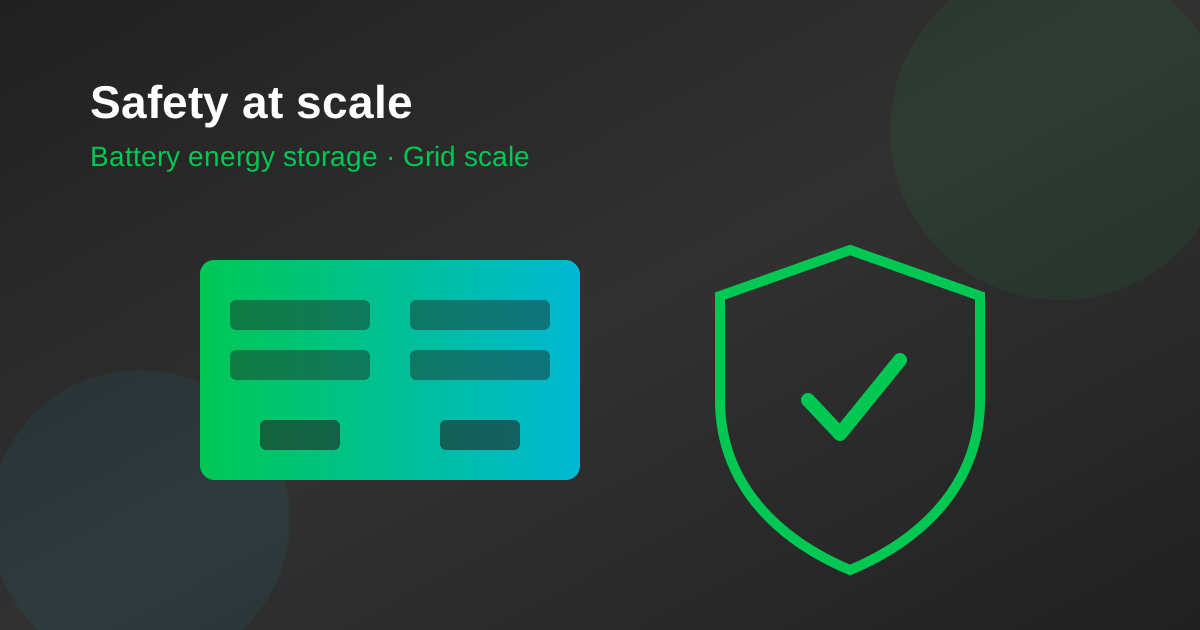
Large battery installations concentrate a great deal of energy in a small space. What thermal runaway actually is, how modern systems are designed to contain it, and what to check in any proposal.
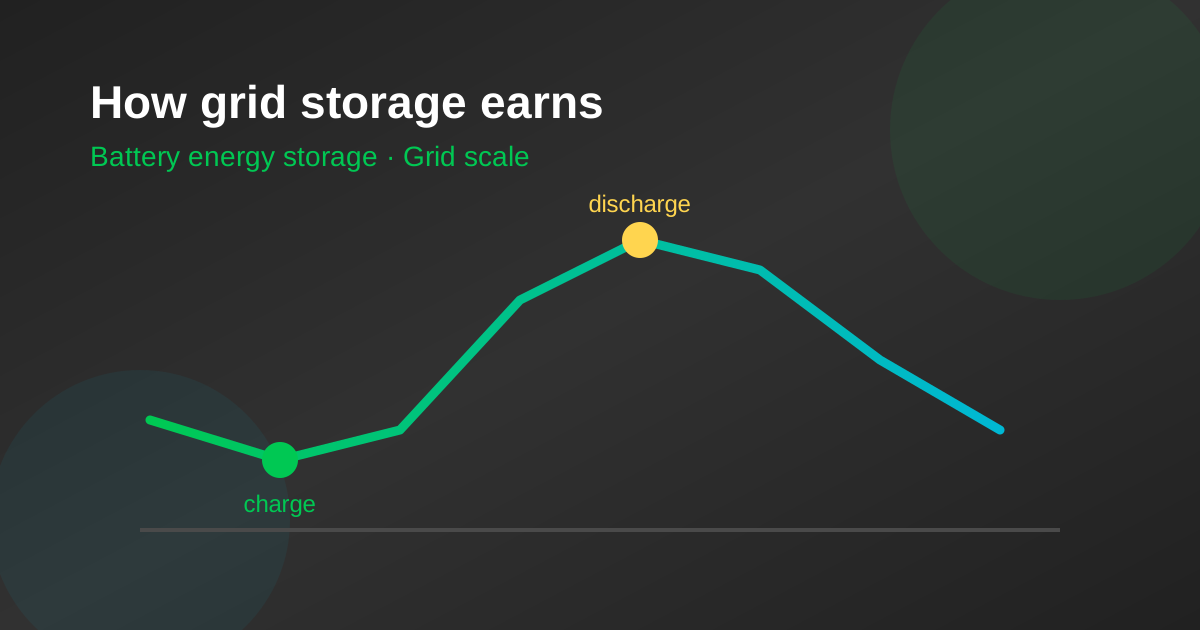
A grid battery earns from several revenue streams at once, and few projects are viable on any single one. How value stacking works, and what makes a project bankable.
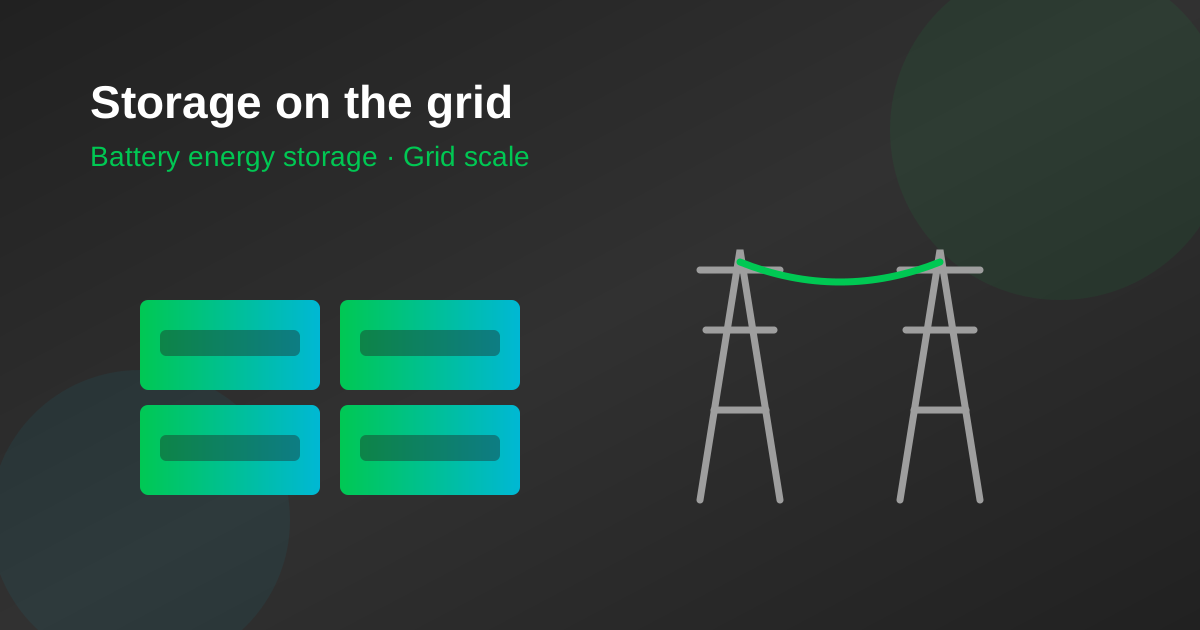
India is adding solar and wind far faster than it is adding the flexibility to absorb them. Grid-scale storage is the technology being asked to close that gap — here is how it works.
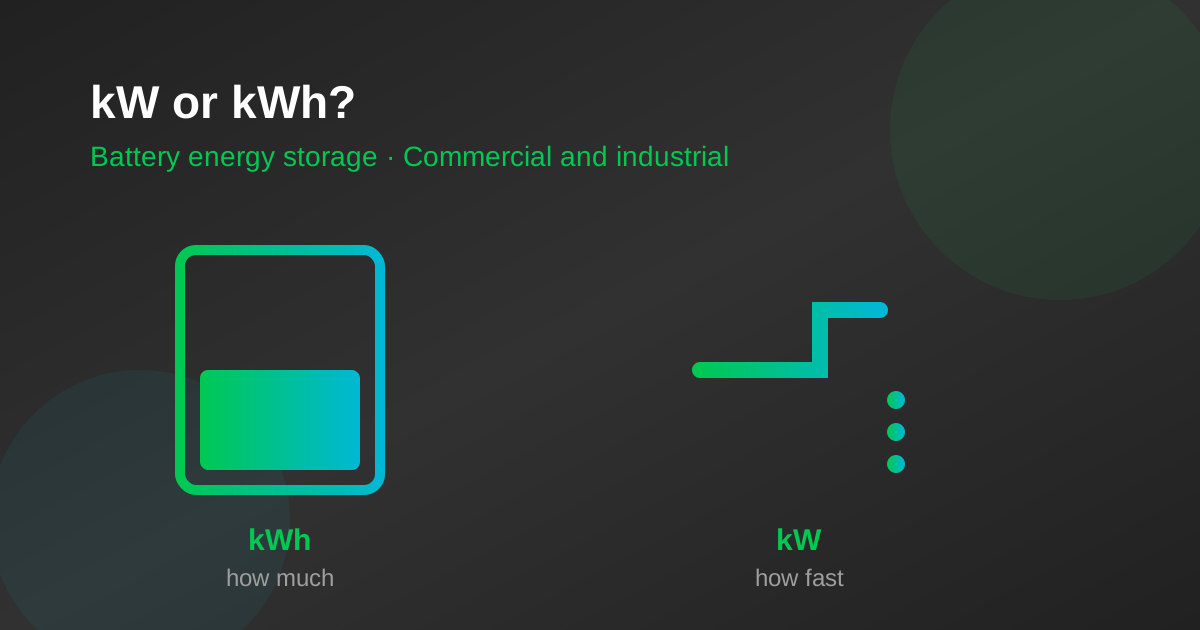
The two numbers that define a battery system are constantly confused, and getting the relationship wrong is the most common and most expensive sizing mistake.
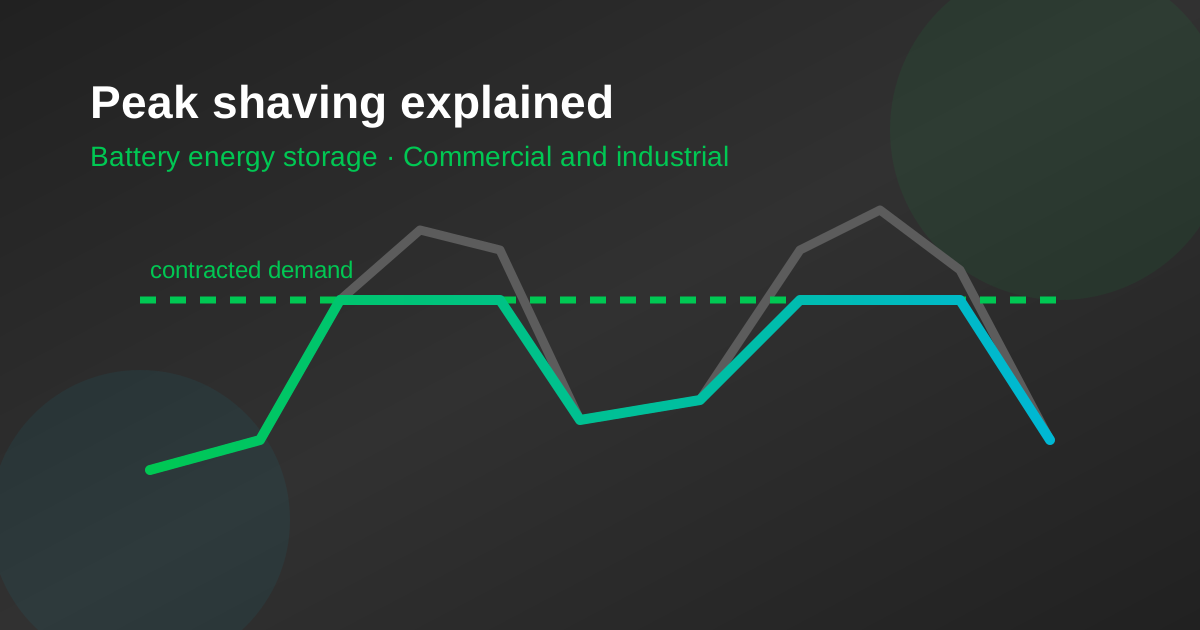
Maximum demand charges are billed on your worst fifteen minutes of the month. Understanding that one line on your bill is usually where commercial storage pays for itself.
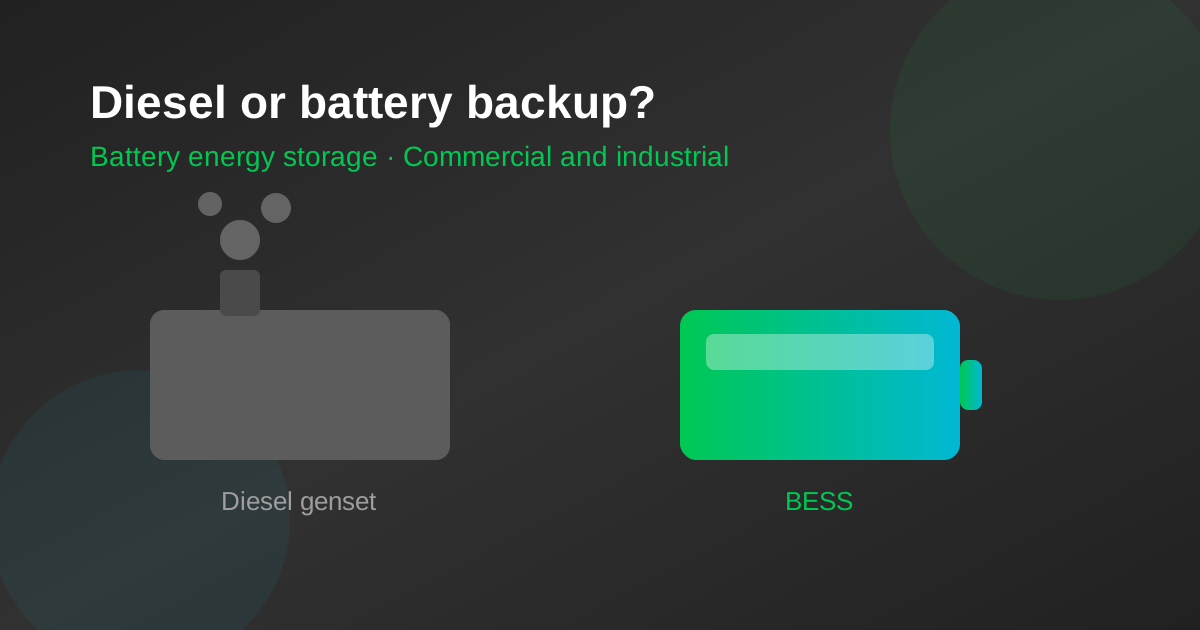
The answer turns on how long your outages last, not on which technology is more modern. A practical comparison across cost, response time, maintenance and compliance.