Diesel Generator vs Battery Storage: Which Backup Makes Sense for Your Site?
The answer turns on how long your outages last, not on which technology is more modern. A practical comparison across cost, response time, maintenance and compliance.
Published: 14 August 2026
C&I storage · 7 min read
It comes down to outage duration
The whole comparison hinges on one question: how long are your power cuts, and how often?
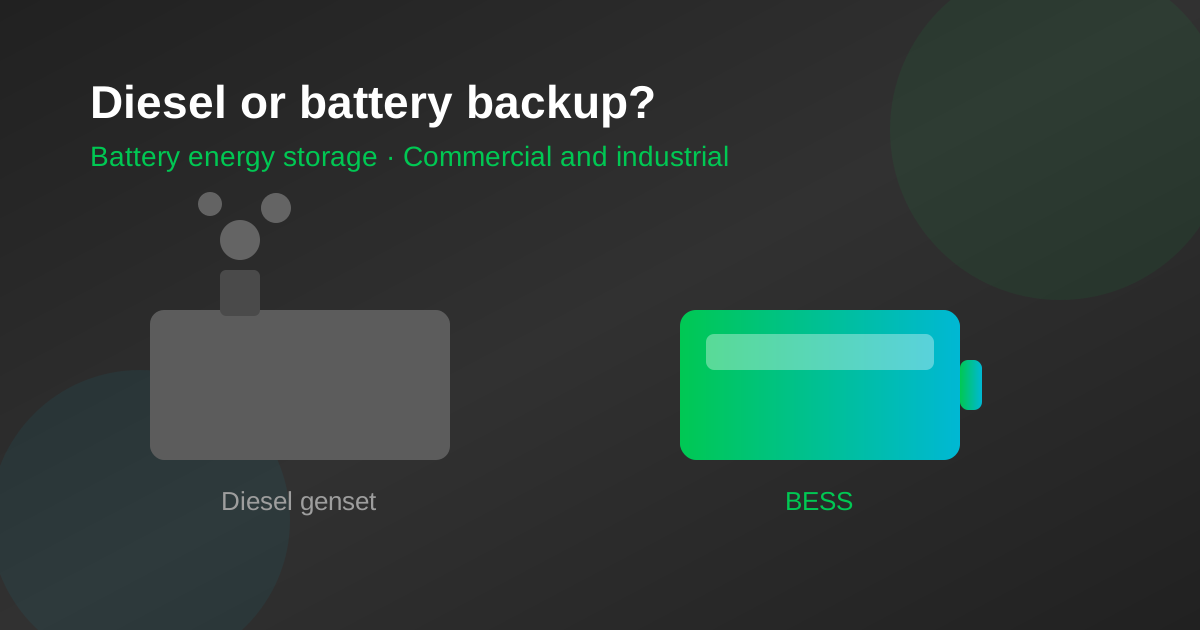
Batteries are excellent at short and frequent interruptions and terrible value for long ones, because covering many hours at full load means buying a great deal of energy capacity. Diesel is the opposite — slow to start and expensive per unit, but you can run it for as long as you keep feeding it fuel.
Pull your outage log for the last year. If most events are minutes rather than hours, the battery case is strong. If you regularly lose power for a whole shift, it is not, at least not on its own.
Side by side
| Diesel generator | Battery storage | |
|---|---|---|
| Response time | Seconds — site goes dark first | Milliseconds — seamless |
| Cost per unit delivered | High, tracks diesel price | Low, tracks grid or solar cost |
| Upfront cost | Lower for long duration | Higher, rises with duration |
| Long outages | Runs as long as fuel lasts | Limited by stored energy |
| Maintenance | Regular servicing, oil, filters, test runs | Minimal, largely inspection |
| Noise and emissions | Significant | None on site |
| Space | Generator plus fuel storage | Compact, but needs proper ventilation |
| Idle cost | Fuel ages, test runs consume fuel | Can earn value daily by shaving peaks |
| Compliance | Subject to emissions and noise rules | Subject to fire and electrical safety rules |
The argument people forget: the battery works every day
A generator earns nothing between outages. It sits there consuming maintenance and fuel for test runs.
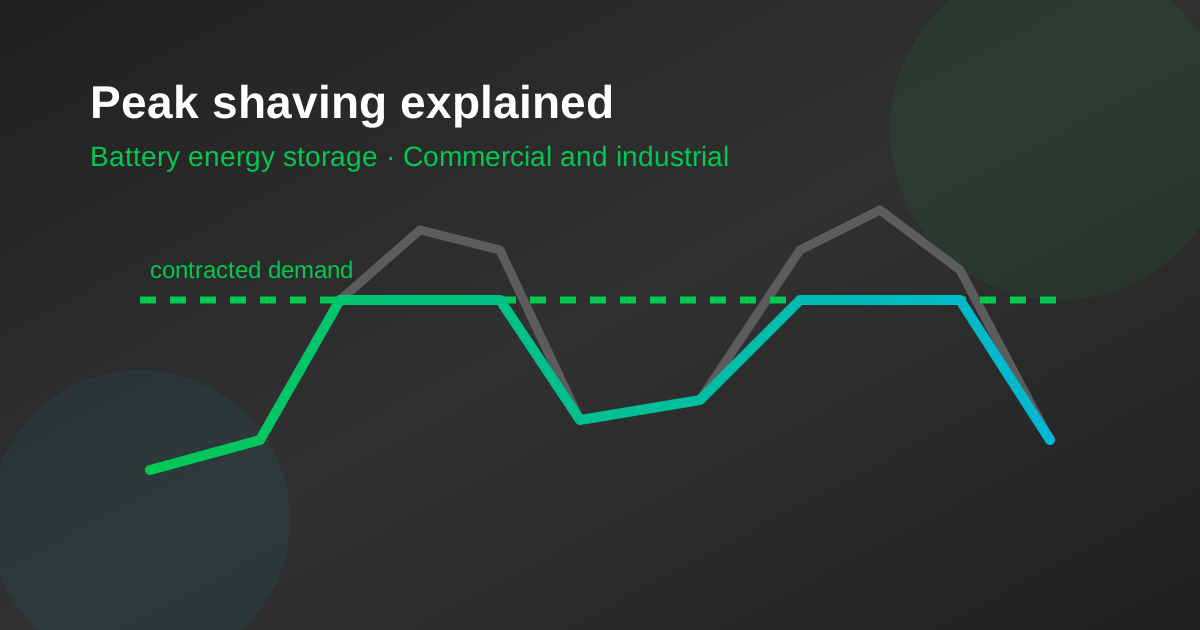
A battery, correctly configured, shaves your demand peaks and shifts your consumption every single day, whether or not the grid fails. That daily value is often what makes the business case work — the backup function comes along free. See peak shaving and demand charges.
Why many sites run both
This is not usually an either-or decision. A common arrangement is a battery sized for frequent short interruptions and daily peak management, with the existing generator retained for the rare long outage.
That combination gets you seamless response for the events that happen weekly, cheap operation every day, and unlimited duration for the event that happens twice a year — without paying for a battery large enough to ride out a whole shift.
Questions to ask before deciding
- •What does our outage log actually show — how many events, of what duration?
- •Which loads genuinely must never be interrupted, and what do they draw?
- •What is our current all-in diesel cost per unit, including servicing and fuel handling?
- •Do local emissions or noise rules constrain generator running at this site?
- •Would the battery also reduce our monthly demand charges, and by how much?
- •What footprint, ventilation and fire protection does each option require?
Frequently asked questions
Can a battery replace a diesel generator?+
For short outages and power quality events, comfortably — batteries respond in milliseconds where a generator takes seconds to start and stabilise. For long outages at full load, a battery sized to match becomes expensive, so many sites keep a generator for rare long events and use a battery for everything else.
Is battery backup cheaper than diesel?+
Per unit delivered, stored grid or solar energy is usually far cheaper than diesel, and maintenance is much lower. The battery costs more upfront. Compare total cost of ownership over the equipment life, including fuel, servicing, and the cost of the space and compliance each option requires.
How fast does a battery respond compared to a generator?+
A battery inverter responds in milliseconds, fast enough that sensitive equipment never sees the interruption. A diesel generator typically needs several seconds to start and take load, during which the site is dark and process equipment may trip.
Thinking about upgrading?
Talk to our team about the right pack for your vehicle, and about EMI options that keep the monthly outgo close to what you already spend.
Get in touch