Your E-Rickshaw’s Range Dropped. Here Is How to Find Out Why.
Lost range is usually blamed on the battery, and the battery is often innocent. Work through these five layers in order before you spend money on a new pack.
Published: 7 August 2026
Performance · 7 min read
Range is a system, not a battery specification
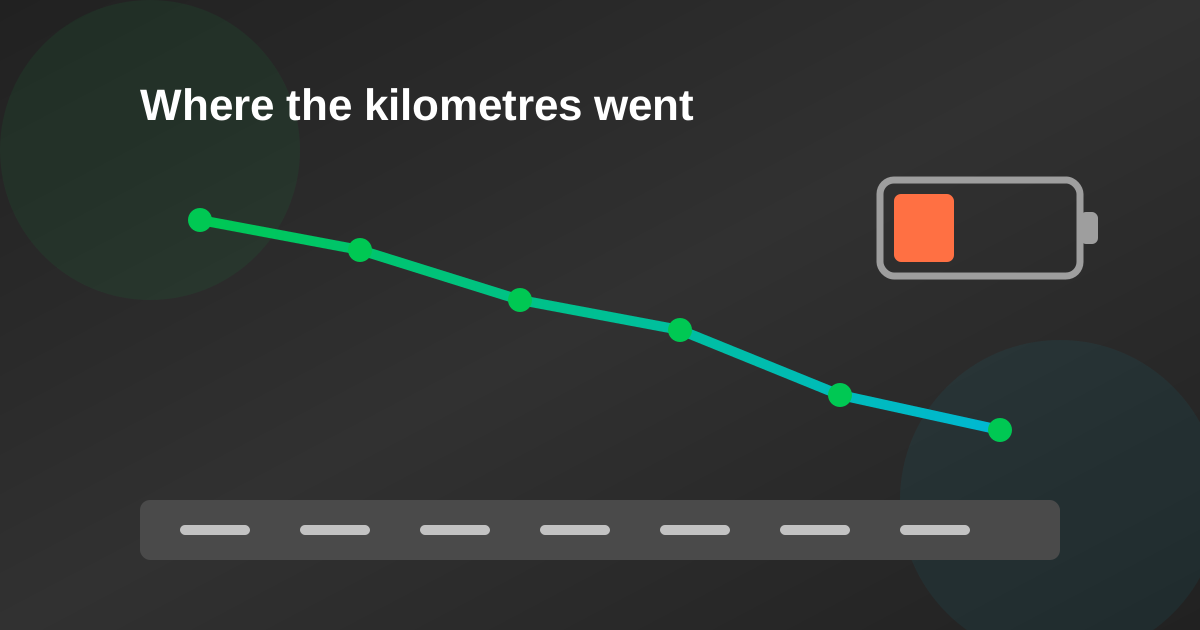
When the last two trips of the day stop being possible, the battery gets the blame. Often it deserves it. Just as often the pack is fine and something cheaper is quietly eating twenty percent of every charge.
Work through these layers in order, cheapest first. Most drivers find the answer before layer four.
Layer 1: the free checks
- •Tyre pressure. Under-inflated tyres cost range on every single kilometre and are the most commonly ignored fix in the whole list. Check them cold, weekly.
- •Brake drag. Jack a wheel up and spin it. If it stops quickly or you hear rubbing, a partially seized brake is converting your charge into heat all day.
- •Load. An extra passenger or a heavy load of goods changes consumption meaningfully. If your work pattern changed before the range did, that may be the whole story.
- •Route. More stop-start traffic, a new gradient, or a longer detour will show up as lost range without anything being wrong at all.
Layer 2: the weather
Both extremes cost you. In peak summer heat, the pack ages faster and works harder. In a north Indian winter morning, lithium chemistry temporarily delivers less until it warms up — capacity that comes back as the day goes on.
Before diagnosing a fault, ask whether the drop appeared with a season. A range loss that arrived in the second week of December and recovers in February is a temperature effect, not a failure.
Layer 3: the wiring and the connectors
Loose or corroded connections create resistance, and resistance turns your energy into heat instead of movement. Look for discoloured or melted connector housings, green or white powder on terminals, and cables that feel warm after a run.
This layer is worth checking carefully, because a bad connection is both a range problem and a safety problem. Tighten and clean what is accessible; get anything scorched looked at properly.
Layer 4: the charger
A charger that is failing may end its cycle early, so the pack is only ever getting to eighty or ninety percent while the indicator suggests otherwise. Compare charging time against what it used to be. A charge that now finishes noticeably faster, with no other change, points here.
If a non-matched charger has been in use, this becomes the first suspect rather than the fourth.
Layer 5: the pack itself
Only now is the battery the likely answer. Two different failures look similar from the seat:
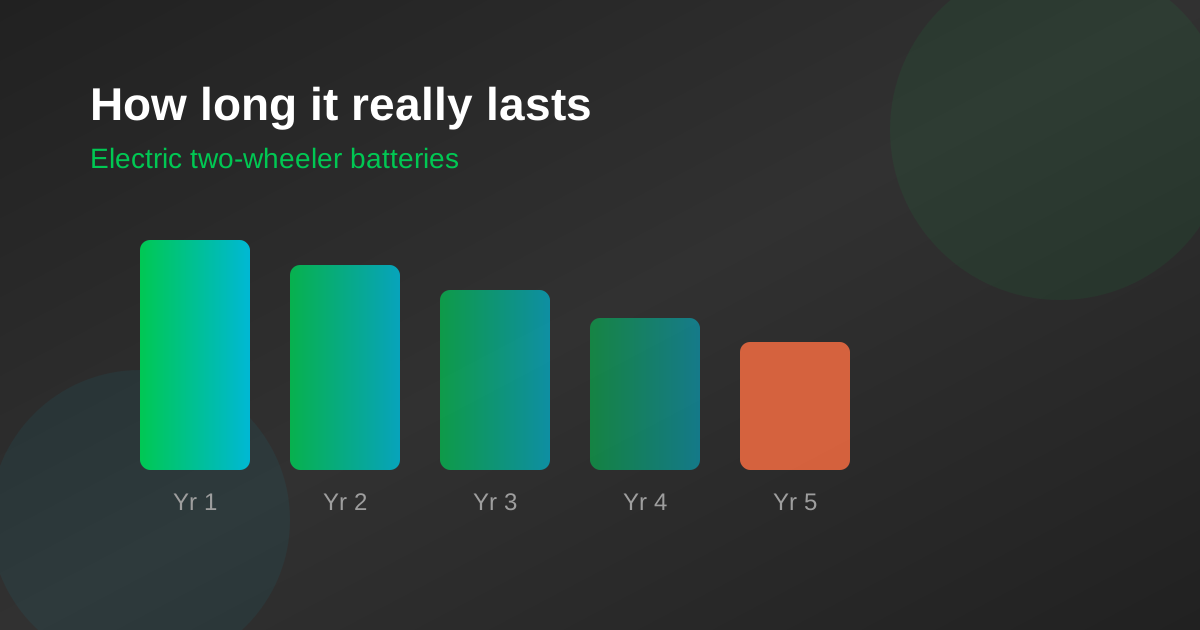
- •Even capacity fade. The whole pack has aged. Range declines gradually over many months, and the decline is smooth. This is normal wear, and its speed tells you about the pack’s quality and how it has been treated.
- •A weak cell or module. Range collapses suddenly rather than gradually, and the vehicle cuts out while the display still shows charge remaining. The BMS is protecting one cell that has fallen behind the rest.
The second case is worth diagnosing properly rather than replacing blindly — see our explainer on cell balancing.
How to test it properly
Impressions are unreliable. Run one controlled test: same route, same typical load, from a full charge, and write down the kilometres at cut-off. Repeat it a month later. Two numbers taken the same way will tell you more than six months of feeling that something is off.
If your pack reports state of health through an app or display, log that figure alongside the kilometres. A steady state-of-health number with falling range points away from the battery and back to layers one through four.
Thinking about upgrading?
Talk to our team about the right pack for your vehicle, and about EMI options that keep the monthly outgo close to what you already spend.
Get in touch