Why Your Electric Scooter Range Drops in Summer and Winter
Claimed range and real range are different numbers, and the gap widens with the weather. What heat and cold each do to a pack, and which losses come back.
Published: 14 August 2026
Performance · 6 min read
Two different problems that look identical
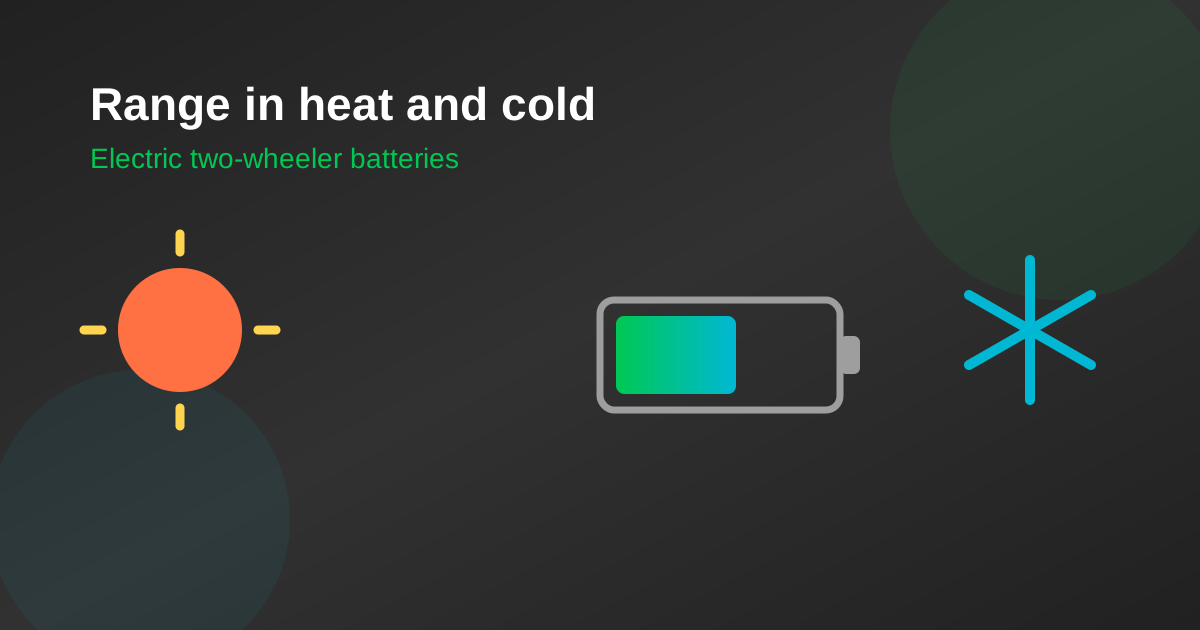
Riders report the same symptom in December and in May — the scooter does not go as far as it used to. The causes are opposite, and one of them matters far more than the other.
Cold is temporary. Lithium chemistry slows down when cold, so less capacity is available. It comes back as the pack warms during the day, and fully in warmer months.
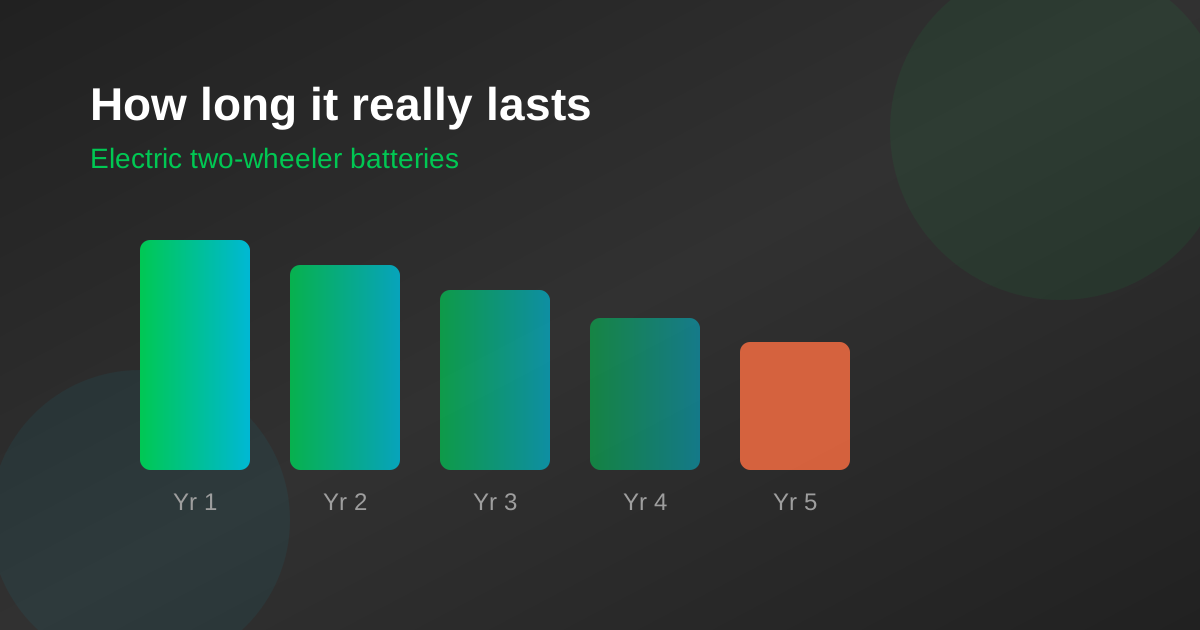
Heat is permanent. High temperatures accelerate the reactions that permanently reduce capacity. Range lost to a hot summer does not return in October.
A simple test: if your range recovered in spring, you had a cold effect. If it never came back, you had a heat effect.
Claimed range and real range
Manufacturers quote range measured under a controlled test cycle: moderate temperature, a specified rider weight, steady speeds, no traffic and no wind. Nothing about that resembles a Monday morning in an Indian city.
Real range is reduced by, in rough order of impact:
- •Total load — rider, pillion and anything you are carrying
- •Stop-start traffic, because every acceleration from standstill is a high-current draw
- •Speed, since air resistance rises sharply with it
- •Gradients
- •Tyre pressure, which is the most commonly ignored free fix on the list
- •Ambient temperature, at both ends
- •Riding mode and regenerative braking settings
What to do in an Indian summer
- •Park in shade, every time — over one summer this is worth more than any accessory you can buy
- •Let the pack cool twenty to thirty minutes after a long ride before charging
- •Avoid fast charging in the hottest hours if you have a choice of when to charge
- •If your battery is removable, bring it indoors rather than leaving it in a parked vehicle
- •Keep the pack surface clean — a dust layer traps heat
Never pour water on a hot pack, wrap it in wet cloth, or point a fan into an open battery compartment. These introduce water and dust into a sealed electrical assembly to solve a problem that shade and time solve safely.
What to do in winter
- •Expect lower range on cold mornings and plan the first ride of the day around it
- •Park indoors or under cover overnight where you can
- •Check whether your BMS has a low-temperature charge cut-off — charging a very cold pack is genuinely harmful, and a good BMS refuses to do it
- •Let the vehicle run for a few minutes before demanding hard acceleration
When it is not the weather
If range dropped and did not track the season, work through the cheaper explanations before blaming the pack: tyre pressure, dragging brakes, a change in load or route, loose or corroded connectors, and a charger that has started ending its cycle early.
Our five-layer diagnostic walks through them in order, cheapest first. It was written for e-rickshaws but the method is identical for a two-wheeler.
Frequently asked questions
Why does my electric scooter give less range in winter?+
Lithium cells temporarily deliver less usable capacity when cold, because the internal chemistry slows down. Range typically recovers as the pack warms during the day and returns fully in warmer months. This is normal and reversible — it is not permanent damage.
Does summer heat damage an electric scooter battery?+
Yes, and unlike cold, heat damage is permanent. High temperatures accelerate the chemical side-reactions that reduce capacity, so range lost to a hot summer does not come back. Parking in shade and letting the pack cool before charging are the most effective free countermeasures.
Why is real range always less than the claimed range?+
Claimed figures are measured under controlled test conditions — a set cycle, moderate temperature, a specified rider weight, no headwind and no traffic. Real riding adds load, stop-start traffic, gradients, weather and accessories. A meaningful gap between the two is normal.
Thinking about upgrading?
Talk to our team about the right pack for your vehicle, and about EMI options that keep the monthly outgo close to what you already spend.
Get in touch